
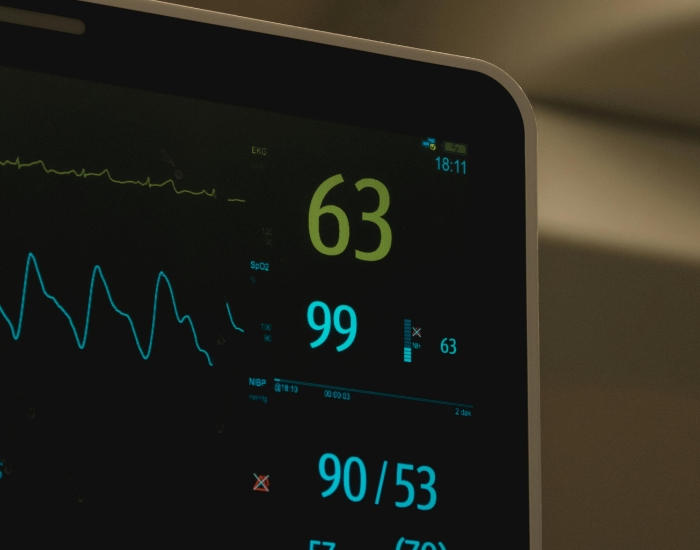
Your heart is constantly at work, pumping blood throughout your body to deliver oxygen and nutrients. But how do you know if your heart is beating at a healthy rate? Understanding your normal heart rate is essential for recognizing when something may be off — whether it’s too slow, too fast, or irregular.
Whether you’re exercising, resting, or monitoring your heart for medical reasons, knowing what counts as normal empowers you to take control of your cardiovascular health.
Table of Contents
- What Is a Normal Heart Rate?
- How Heart Rate Varies by Age
- Symptoms of Abnormal Heart Rates
- Bradycardia: When the Heart Slows Down
- Tachycardia: When the Heart Beats Too Fast
- Factors That Affect Your Heart Rate
- When to See a Doctor
- Diagnostic Tests for Heart Rate Concerns
- Tips for Maintaining a Healthy Heart Rate
- Conclusion
What Is a Normal Heart Rate?
A normal heart rate refers to the number of times your heart beats per minute (bpm) while at rest. For most adults, a healthy resting heart rate ranges between 60 and 100 bpm.
Your resting heart rate is an important indicator of cardiovascular fitness. A lower heart rate often reflects better heart efficiency and endurance, while an unusually high or low heart rate may signal an underlying condition.
How Heart Rate Varies by Age
Normal heart rates differ across age groups. Here’s a general guideline:
-
Newborns (0–1 month): 70–190 bpm
-
Infants (1–11 months): 80–160 bpm
-
Children (1–2 years): 80–130 bpm
-
Children (3–4 years): 80–120 bpm
-
Children (5–6 years): 75–115 bpm
-
Children (7–9 years): 70–110 bpm
-
Children (10 years and older) and adults: 60–100 bpm
Athletes or highly active individuals may naturally have lower heart rates, sometimes under 60 bpm, which can still be healthy.
Symptoms of Abnormal Heart Rates
Abnormal heart rates can present with a variety of symptoms, including:
-
Dizziness or lightheadedness
-
Shortness of breath
-
Chest pain or pressure
-
Palpitations (feeling your heart “skip” or race)
-
Fatigue or weakness
If these symptoms occur, they may indicate conditions such as bradycardia or tachycardia, which require medical evaluation.
Bradycardia: When the Heart Slows Down
Bradycardia occurs when the heart beats slower than normal — generally below 60 bpm in adults.
Potential causes include:
-
Heart tissue damage from aging or heart disease
-
Heart attack or prior heart surgery
-
Hypothyroidism
-
Certain medications
Symptoms of bradycardia may include fatigue, dizziness, fainting, or shortness of breath. Persistent bradycardia should be evaluated by a cardiologist in Houston to determine if treatment, such as a pacemaker, is needed.
Tachycardia: When the Heart Beats Too Fast
Tachycardia is the opposite of bradycardia — a resting heart rate over 100 bpm in adults.
Causes can include:
-
Heart conditions (arrhythmias, heart failure)
-
Fever or infection
-
Overactive thyroid
-
Stress, anxiety, or stimulants
Symptoms may include palpitations, dizziness, chest pain, or fainting. Tachycardia requires evaluation by a heart specialist Houston, and in some cases, interventions like chest pain treatment or medications are recommended to manage the condition.
Factors That Affect Your Heart Rate
Your heart rate is influenced by multiple factors, such as:
-
Physical activity: Exercise naturally raises heart rate
-
Emotional stress or anxiety
-
Medications: Beta blockers, stimulants, or thyroid medications
-
Body temperature: Fever can increase heart rate
-
Overall health: Heart disease, hormonal imbalances, or anemia
Understanding these factors helps distinguish between temporary fluctuations and chronic issues requiring attention.
When to See a Doctor
Seek medical attention if you experience:
-
Resting heart rate consistently below 50 bpm or above 100 bpm (without being an athlete)
-
Dizziness, fainting, or severe fatigue
-
Chest pain or shortness of breath
-
Irregular heartbeat or palpitations
Early evaluation can prevent complications and ensure your heart is functioning optimally.
Diagnostic Tests for Heart Rate Concerns
Evaluating abnormal heart rates may involve several tests:
Echocardiogram Test
An echocardiogram test uses ultrasound to visualize heart structure and function, helping detect conditions that affect heart rate and pumping efficiency.
Nuclear Stress Test
A nuclear stress test evaluates blood flow to the heart during rest and exercise, helping detect coronary artery disease or other underlying issues contributing to abnormal heart rates.
Tips for Maintaining a Healthy Heart Rate
-
Exercise regularly: Cardio improves heart efficiency and lowers resting heart rate
-
Manage stress: Meditation, yoga, and deep-breathing exercises help maintain normal heart rhythm
-
Eat a heart-healthy diet: Limit salt, sugar, and processed foods
-
Monitor your heart rate: Keep track of changes and discuss with your doctor
-
Avoid smoking and excess alcohol
Routine check-ups with a cardiologist in Houston or heart specialist Houston are recommended if you notice persistent changes.
FAQs
-
What is considered a normal heart rate for adults?
A healthy resting heart rate for most adults ranges between 60 and 100 bpm, though athletes may have lower rates. -
What are the symptoms of bradycardia?
Slow heart rates may cause fatigue, dizziness, fainting, or shortness of breath. -
Can stress or anxiety affect my heart rate?
Yes, emotional stress, anxiety, and stimulants can temporarily increase heart rate. -
How can I lower my resting heart rate naturally?
Regular cardiovascular exercise, stress management, proper sleep, and a heart-healthy diet can help. -
When should I see a doctor about my heart rate?
Consult a heart specialist Houston if your resting heart rate is consistently below 50 bpm or above 100 bpm, or if you experience dizziness, fainting, or chest discomfort.
Conclusion
Knowing your normal heart rate is crucial for understanding overall cardiovascular health. Whether it’s bradycardia, tachycardia, or fluctuations due to lifestyle factors, early recognition and evaluation by a heart specialist Houston can prevent complications and improve quality of life.
Advanced tests such as an echocardiogram test or nuclear stress test may help identify underlying issues and guide effective treatment.
Maintaining a healthy heart rate through exercise, stress management, and routine medical care supports long-term cardiovascular wellness.
Medical Disclaimer: This article is for educational purposes only and does not replace professional medical advice. Always consult a qualified healthcare provider for diagnosis and treatment. If you experience chest pain, fainting, or severe symptoms, seek emergency medical care immediately.