
Our Blogs
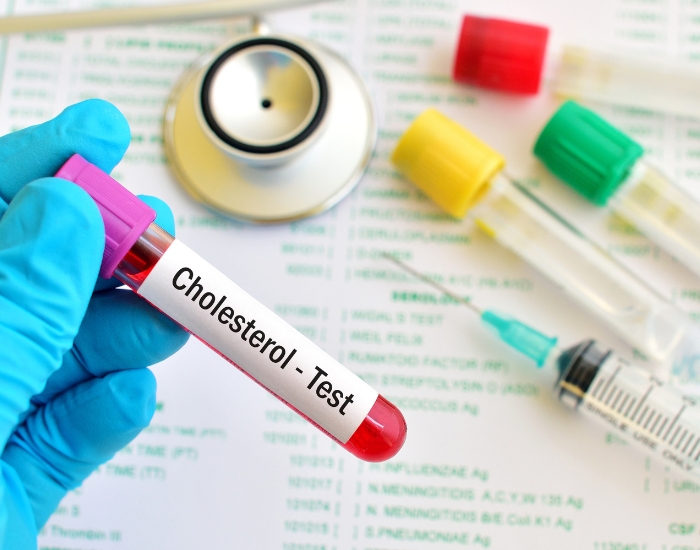
How to Lower Cholesterol Fast: Proven Strategies for Better Heart Health
High cholesterol is one of the leading contributors to heart disease, stroke, and other serious cardiovascular problems. Many people feel perfectly healthy and do not realize their cholesterol levels are elevated until routine blood tests reveal an issue. The danger…
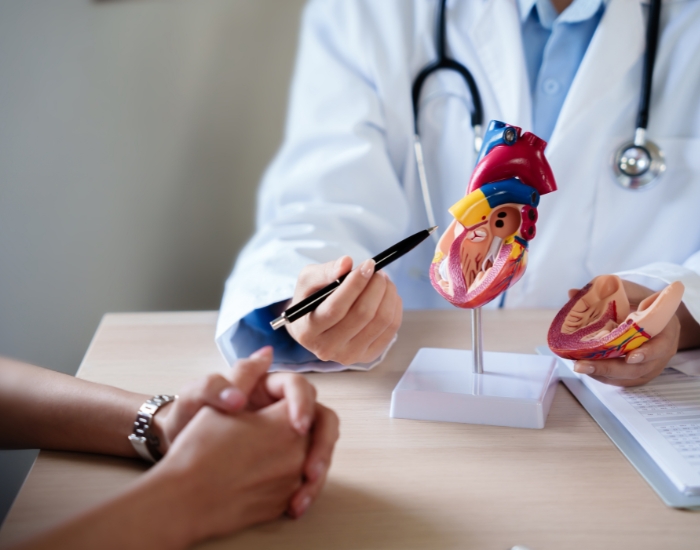
When to See a Cardiologist in Houston: Warning Signs You Should Never Ignore
Heart disease remains one of the leading causes of serious illness in the United States, and Houston is no exception. Many people assume they only need to see a cardiologist after a heart attack or major emergency. However, in reality, early evaluation often prevents…
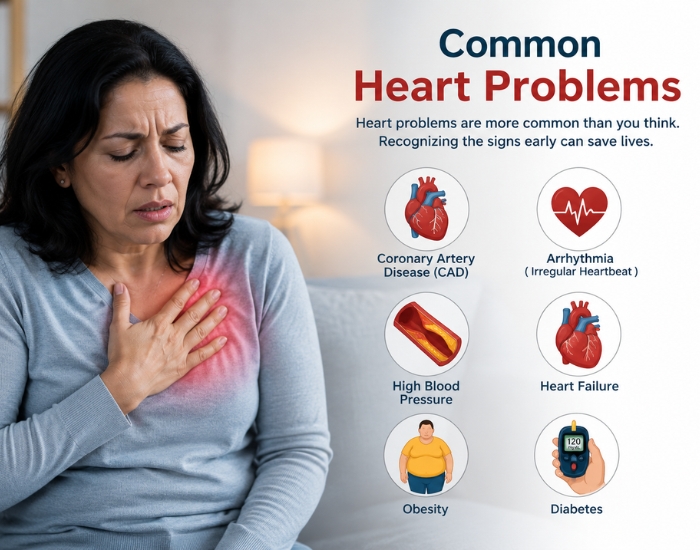
Common Heart Problems in Houston: Understanding Risks, Symptoms, and Treatment Options
Heart disease continues to affect millions of Americans each year—and Houston is no exception. In fact, as one of the largest and most diverse metropolitan areas in the country, Houston sees a significant number of patients diagnosed with cardiovascular conditions…

Fatigue and Heart Problems: When Tiredness Could Signal Heart Disease
Everyone feels tired from time to time. Busy schedules, stress, poor sleep, or minor illnesses can all leave you feeling drained. However, when fatigue becomes persistent, overwhelming, or unexplained, it may signal something more serious. In some cases, chronic…

Heart Palpitations at Night: What Causes Them and When to Be Concerned
Waking up in the middle of the night with a racing, pounding, or fluttering heartbeat can feel frightening. Many patients describe it as a sudden awareness of their heart beating harder or faster than usual. If you’ve experienced heart palpitations at night, you may…
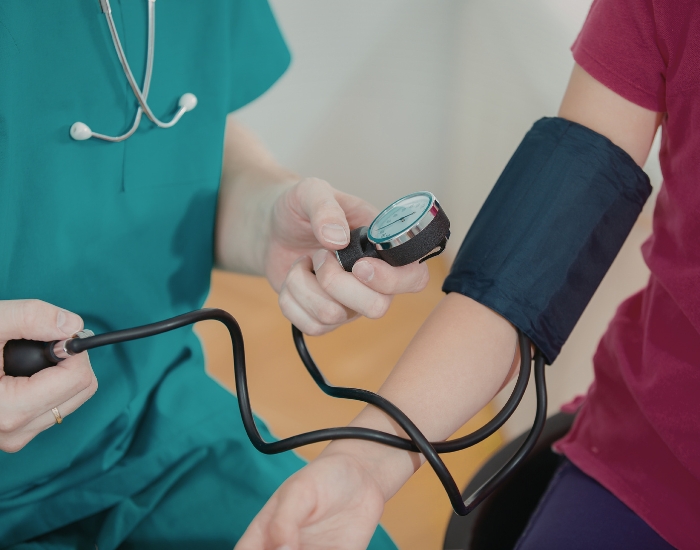
High Blood Pressure Warning Signs: What Your Body May Be Telling You
High blood pressure, also known as hypertension, is often called the “silent killer” because it may not cause noticeable symptoms until serious damage has already occurred. Many patients feel completely normal—yet their blood pressure numbers remain dangerously…