
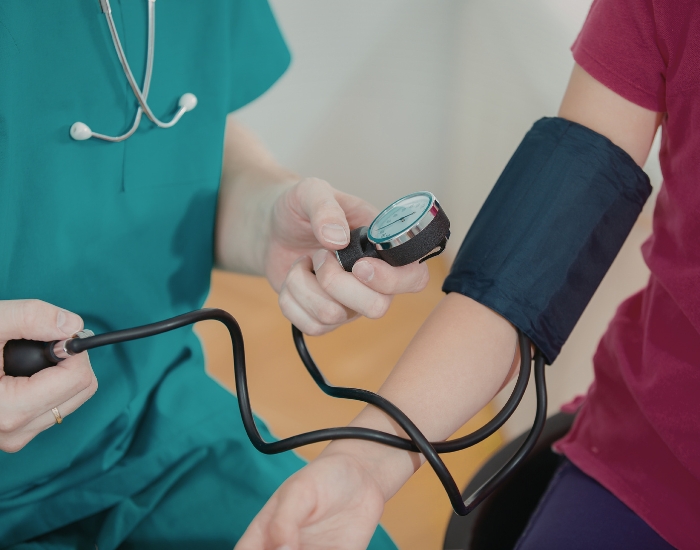
High blood pressure, also known as hypertension, is often called the “silent killer” because it may not cause noticeable symptoms until serious damage has already occurred. Many patients feel completely normal—yet their blood pressure numbers remain dangerously elevated. However, in some cases, uncontrolled hypertension does produce warning signs that should never be ignored.
Recognizing these symptoms early and seeking proper medical care can significantly reduce your risk of heart attack, stroke, kidney disease, and other life-threatening complications.
Table of Contents
- What Is Hypertension?
- Why High Blood Pressure Is Dangerous
- Common Warning Signs of Uncontrolled Hypertension
- Symptoms That Require Immediate Attention
- Risk Factors for High Blood Pressure
- When to See a Cardiologist
- How Hypertension Is Diagnosed
- Treatment Options for High Blood Pressure
- Preventing Long-Term Complications
- Why Specialist Care Matters
What Is Hypertension?
Hypertension occurs when the force of blood pushing against your artery walls remains consistently too high. Blood pressure is measured using two numbers:
- Systolic pressure (top number): pressure during heartbeats
- Diastolic pressure (bottom number): pressure between beats
Normal blood pressure is generally below 120/80 mmHg. Readings consistently above 130/80 mmHg may indicate hypertension.
Over time, elevated pressure damages arteries, making them stiff and narrow. This increases strain on the heart and reduces oxygen delivery throughout the body.
Why High Blood Pressure Is Dangerous
Uncontrolled hypertension can silently damage vital organs, including:
- The heart
- The brain
- The kidneys
- The eyes
- The blood vessels
It is a leading cause of:
- Heart attack
- Stroke
- Heart failure
- Aneurysm
- Kidney failure
Because symptoms may not appear until complications develop, routine monitoring is critical.
Common Warning Signs of Uncontrolled Hypertension
Although many people have no symptoms, some warning signs can occur—especially when blood pressure becomes severely elevated.
1. Persistent Headaches
Severe or frequent headaches, particularly in the morning, may signal dangerously high blood pressure.
2. Shortness of Breath
Elevated pressure can strain the heart, leading to breathing difficulty during minimal activity or even at rest.
3. Chest Discomfort
Pressure, tightness, or pain in the chest may indicate heart strain and require prompt evaluation, including possible chest pain treatment.
4. Vision Changes
Blurred or double vision can occur when hypertension affects blood vessels in the eyes.
5. Fatigue or Confusion
Reduced oxygen delivery to the brain may lead to difficulty concentrating or unusual fatigue.
6. Nosebleeds
Frequent unexplained nosebleeds can occasionally be linked to high blood pressure spikes.
7. Irregular Heartbeat or Palpitations
Some individuals experience racing or pounding sensations in the chest, commonly described as heart palpitations.
Symptoms That Require Immediate Attention
Call 911 or seek emergency care if high blood pressure is accompanied by:
- Severe chest pain
- Sudden shortness of breath
- Weakness on one side of the body
- Slurred speech
- Severe headache with confusion
- Fainting
These may indicate a hypertensive crisis, heart attack, or stroke.
Risk Factors for High Blood Pressure
Several factors increase your risk of developing hypertension:
- Family history of high blood pressure
- Obesity
- Smoking
- High sodium intake
- Lack of physical activity
- Chronic stress
- Diabetes
- High cholesterol
- Age over 40
Hypertension often develops gradually, making regular screening essential.
When to See a Cardiologist
You should consult a heart specialist if:
- Your blood pressure remains above 130/80 despite lifestyle changes
- You experience warning symptoms
- You have multiple cardiovascular risk factors
- You have a family history of heart disease
If you are located in Texas, a trusted cardiologist in Houston can provide comprehensive evaluation and personalized treatment.
Early management significantly reduces long-term complications.
How Hypertension Is Diagnosed
Diagnosis involves more than a single reading. Your doctor may recommend:
Repeated Blood Pressure Monitoring
Measurements taken at different times to confirm persistent elevation.
Home Blood Pressure Monitoring
Tracking readings over several weeks provides a more accurate picture.
Heart and Vascular Testing
Because hypertension affects heart function, your physician may recommend:
- An echocardiogram test to evaluate heart structure and pumping function
- A nuclear stress test to assess blood flow to the heart muscle
These tests help determine whether high blood pressure has already caused damage.
Treatment Options for High Blood Pressure
Managing hypertension requires a comprehensive approach.
Lifestyle Modifications
Many patients can significantly reduce blood pressure through:
- Reducing sodium intake
- Following a DASH-style diet
- Exercising at least 150 minutes per week
- Maintaining a healthy weight
- Limiting alcohol
- Quitting smoking
- Managing stress
Medications
If lifestyle changes are not enough, medications may include:
- ACE inhibitors
- ARBs
- Beta-blockers
- Calcium channel blockers
- Diuretics
A personalized treatment plan ensures optimal blood pressure control with minimal side effects.
For specialized care, patients may benefit from seeing a hypertension specialist who can tailor therapy to individual needs.
Preventing Long-Term Complications
Controlling blood pressure protects your:
- Heart
- Brain
- Kidneys
- Blood vessels
Long-term management includes:
- Regular follow-up appointments
- Medication adherence
- Routine cholesterol checks
- Blood sugar monitoring
- Stress management
Prevention is significantly easier—and safer—than treating advanced complications.
Why Specialist Care Matters
Hypertension is more than just a number on a blood pressure monitor. It is a complex condition that affects the entire cardiovascular system. Working with a trusted heart specialist Houston patients rely on ensures:
- Accurate diagnosis
- Advanced cardiac testing
- Evidence-based treatment
- Ongoing monitoring
- Prevention-focused care
A specialist can also identify secondary causes of hypertension and adjust treatment when standard therapies are ineffective.
Final Thoughts
High blood pressure warning signs are often subtle—or completely absent. That’s why routine screening and proactive care are critical. If you experience persistent headaches, shortness of breath, chest discomfort, or heart palpitations, do not ignore these symptoms.
Uncontrolled hypertension can silently damage your heart and blood vessels for years before complications appear. Early detection and expert management can dramatically improve long-term outcomes.
If you have concerns about your blood pressure, scheduling an evaluation with a cardiovascular specialist is a proactive step toward protecting your health.
Medical Disclaimer: This article is for informational purposes only and does not replace professional medical advice, diagnosis, or treatment. If you experience severe symptoms such as chest pain, difficulty breathing, or neurological changes, seek immediate medical attention or consult a qualified healthcare provider.