
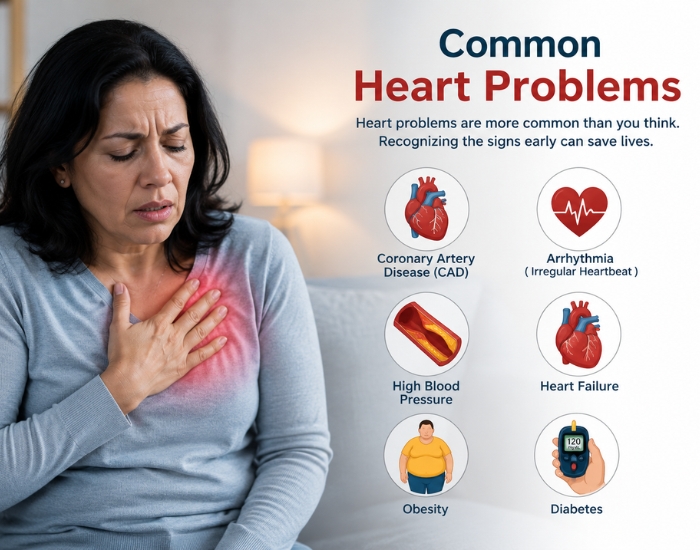
Heart disease continues to affect millions of Americans each year—and Houston is no exception. In fact, as one of the largest and most diverse metropolitan areas in the country, Houston sees a significant number of patients diagnosed with cardiovascular conditions annually. Moreover, many individuals are surprised to learn just how common heart disease has become, particularly among those living with high blood pressure, diabetes, obesity, high cholesterol, or a family history of cardiac problems.
At the same time, modern lifestyles—often characterized by long work hours, stress, limited physical activity, and processed diets—can further increase cardiovascular risk. As a result, symptoms that may initially seem mild or easy to dismiss can sometimes indicate an underlying heart condition. For example, if you’ve been experiencing chest discomfort, shortness of breath, unusual fatigue, dizziness, or heart palpitations, you might understandably wonder whether these signs point to something serious.
Importantly, recognizing potential warning signs early can make a significant difference. The sooner heart disease is identified, the more treatment options are available to prevent complications such as heart attack, heart failure, or stroke. Therefore, understanding the most common heart problems in Houston not only empowers you to recognize symptoms but also helps you take proactive steps toward protecting your long-term health.
In this comprehensive guide, we will explore the most prevalent cardiovascular conditions affecting patients in Houston. Additionally, we will discuss their causes, symptoms, risk factors, available diagnostic tests, and, most importantly, when it is time to seek evaluation from a heart specialist.
Table of Contents
- Why Heart Disease Is Common in Houston
- Coronary Artery Disease (CAD)
- Heart Attacks
- Heart Failure
- Arrhythmias (Irregular Heartbeats)
- High Blood Pressure and Heart Damage
- Valve Disorders
- Risk Factors for Heart Disease in Houston
- Diagnostic Tests for Heart Problems
- When to See a Cardiologist
- Preventing Heart Disease
- Frequently Asked Questions
Why Heart Disease Is Common in Houston
Heart disease remains the leading cause of death in the United States. In large metropolitan areas like Houston, several factors contribute to cardiovascular risk:
-
Sedentary lifestyle
-
High rates of diabetes
-
Obesity
-
Smoking
-
Stress
-
High-sodium diets
These factors significantly increase the risk of developing coronary artery disease, heart failure, and other cardiac conditions. Early evaluation by a qualified cardiologist in Houston can help identify risk factors before complications arise.
Coronary Artery Disease (CAD)
Coronary artery disease is the most common heart condition affecting adults. It occurs when plaque builds up inside the coronary arteries, narrowing them and reducing blood flow to the heart muscle.
Symptoms of CAD
-
Chest pain or pressure (angina)
-
Shortness of breath
-
Fatigue
-
Pain radiating to the arm, neck, or jaw
-
Nausea
Some patients experience mild symptoms, while others may not notice warning signs until a heart attack occurs.
Risk Factors
-
High cholesterol
-
Diabetes
-
Smoking
-
Family history
-
High blood pressure
Patients diagnosed with CAD often benefit from ongoing care with a heart specialist Houston who can manage medications, lifestyle changes, and advanced therapies.
Heart Attacks
A heart attack (myocardial infarction) occurs when blood flow to part of the heart becomes completely blocked. This is a medical emergency requiring immediate treatment.
Warning Signs of a Heart Attack
-
Severe chest pressure
-
Shortness of breath
-
Cold sweats
-
Dizziness
-
Pain spreading to the left arm or jaw
Women may experience atypical symptoms such as nausea, fatigue, or back pain.
If symptoms are severe or sudden, call 911 immediately. For non-emergency but recurring symptoms, professional chest pain treatment can help determine the underlying cause.
Heart Failure
Heart failure does not mean the heart has stopped working. Instead, it means the heart cannot pump blood effectively enough to meet the body’s needs.
Common Symptoms
-
Shortness of breath
-
Swelling in legs or ankles
-
Rapid weight gain
-
Persistent coughing
-
Extreme fatigue
Heart failure often develops gradually and may result from untreated hypertension, prior heart attack, or valve disease.
Early diagnosis improves long-term outcomes and reduces hospitalizations.
Arrhythmias (Irregular Heartbeats)
Arrhythmias are abnormalities in the heart’s electrical rhythm. Some are harmless, while others can be life-threatening.
Types of Arrhythmias
-
Atrial fibrillation (AFib)
-
Bradycardia (slow heart rate)
-
Tachycardia (fast heart rate)
-
Ventricular arrhythmias
Symptoms
-
Palpitations
-
Dizziness
-
Fainting
-
Chest discomfort
Diagnosis may involve monitoring, imaging, or stress testing. Proper evaluation ensures appropriate management and stroke prevention when necessary.
High Blood Pressure and Heart Damage
Hypertension is often called the “silent killer” because it frequently causes no symptoms. Over time, uncontrolled high blood pressure can:
-
Thicken the heart muscle
-
Damage arteries
-
Increase risk of stroke
-
Lead to heart failure
Routine screening and management significantly reduce long-term risk.
Valve Disorders
Heart valves regulate blood flow through the heart chambers. Valve disease can involve narrowing (stenosis) or leaking (regurgitation).
Symptoms of Valve Disease
-
Shortness of breath
-
Fatigue
-
Swelling
-
Heart murmur
An echocardiogram test is often used to evaluate valve function and heart structure in detail.
Risk Factors for Heart Disease in Houston
Several lifestyle and medical factors increase cardiovascular risk:
-
Poor diet
-
Physical inactivity
-
Diabetes
-
Chronic stress
-
Smoking
-
Sleep apnea
Houston’s diverse population also means genetic predispositions may play a role.
Preventive care with a heart specialist Houston can help address modifiable risk factors early.
Diagnostic Tests for Heart Problems
When symptoms or risk factors are present, physicians may recommend diagnostic testing.
Common Cardiac Tests
1. Echocardiogram
An echocardiogram test uses ultrasound to evaluate heart structure and function.
2. Nuclear Stress Test
A nuclear stress test assesses blood flow to the heart during rest and activity.
3. Electrocardiogram (EKG)
Records electrical activity of the heart.
4. Exercise Stress Test
Monitors heart performance during physical exertion.
These tests help determine the severity of disease and guide treatment decisions.
When to See a Cardiologist
You should schedule an appointment with a cardiologist in Houston if you experience:
-
Recurring chest pain
-
Shortness of breath
-
Palpitations
-
Uncontrolled blood pressure
-
Family history of early heart disease
Even without symptoms, individuals with multiple risk factors benefit from preventive evaluation.
Early consultation allows for:
-
Risk assessment
-
Diagnostic testing
-
Medication management
-
Lifestyle counseling
-
Long-term monitoring
Preventing Heart Disease
The good news is that many heart problems are preventable.
Practical Prevention Strategies
-
Maintain a healthy weight
-
Exercise at least 150 minutes per week
-
Follow a heart-healthy diet
-
Control blood pressure and cholesterol
-
Quit smoking
-
Manage stress
-
Monitor blood sugar
Routine checkups and proactive screening make a significant difference.
Encouraging Patients to Seek Specialized Care
If you’re concerned about heart symptoms or risk factors, don’t delay evaluation. Many serious heart conditions begin silently and worsen over time.
A trusted heart specialist Houston can:
-
Provide individualized risk assessment
-
Order appropriate diagnostic tests
-
Interpret results thoroughly
-
Create a tailored treatment plan
-
Support long-term heart health
Timely intervention often prevents complications such as heart attack, stroke, and heart failure.
Frequently Asked Questions
1. What is the most common heart problem in Houston?
Coronary artery disease is the most prevalent cardiovascular condition, especially among adults with risk factors like diabetes and hypertension.
2. Can heart disease occur without symptoms?
Yes. Many patients have silent heart disease, which is why preventive screening is important.
3. When should chest pain be considered an emergency?
If chest pain is severe, sudden, or accompanied by shortness of breath, sweating, or fainting, call 911 immediately.
4. Are heart problems reversible?
Some conditions can be improved or stabilized with lifestyle changes, medications, and early treatment.
5. How often should I see a cardiologist?
Frequency depends on your risk factors and existing conditions. Your physician will recommend an appropriate follow-up schedule.
Final Thoughts
Common heart problems in Houston—including coronary artery disease, heart failure, arrhythmias, and hypertension—affect thousands of individuals each year. Fortunately, early detection, modern diagnostic tools, and expert cardiology care significantly improve outcomes.
If you are experiencing symptoms or have risk factors, proactive evaluation could protect your health and provide peace of mind. Prioritize your heart health today.
Medical Disclaimer: This article is intended for educational purposes only and does not replace professional medical advice, diagnosis, or treatment. Always consult a qualified healthcare provider regarding any medical concerns. If you experience symptoms of a heart attack or other emergency, call 911 immediately.