
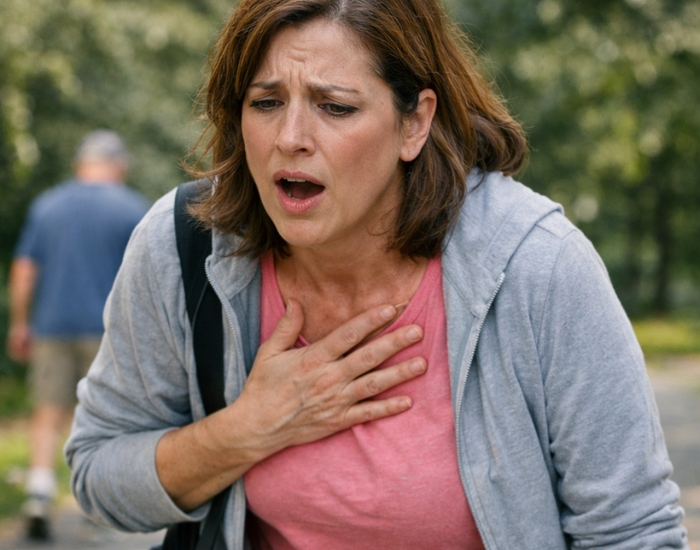
Many people occasionally feel winded after climbing stairs or exercising. However, if you experience shortness of breath during normal walking or mild activity, it may be a sign that your heart or circulatory system is not functioning properly.
Breathing difficulties during activity are sometimes linked to cardiovascular conditions that affect how efficiently oxygen-rich blood circulates throughout the body. When the heart cannot pump effectively or when blood vessels become narrowed, the body may struggle to deliver enough oxygen to muscles and organs during movement.
In some cases, shortness of breath when walking may be related to conditions such as Heart Failure, Coronary Artery Disease, or Peripheral Artery Disease. Recognizing these symptoms early and seeking medical evaluation can help prevent complications and improve long-term heart health.
Table of Contents
- What Is Shortness of Breath When Walking?
- Why Breathing Becomes Difficult During Activity
- The Link Between Heart Disease and Shortness of Breath
- Circulation Problems That Can Affect Breathing
- Symptoms That May Accompany Breathing Difficulty
- Risk Factors for Heart-Related Breathing Problems
- When to See a Doctor
- How Cardiologists Diagnose the Cause
- Tests Used to Evaluate Heart and Circulation
- Treatment Options for Shortness of Breath
- Lifestyle Changes to Improve Heart and Lung Function
- When to Consult a Heart Specialist
- Final Thoughts
What Is Shortness of Breath When Walking?
Shortness of breath during walking occurs when breathing becomes unusually difficult during mild or moderate physical activity.
Patients may notice:
-
Feeling winded after walking short distances
-
Difficulty catching their breath during routine activities
-
Needing frequent breaks while walking
-
Chest tightness or fatigue with exertion
While occasional breathlessness may occur during intense exercise, persistent or worsening symptoms during everyday activities should not be ignored.
You can explore more about this condition and its evaluation through a shortness of breath cardiologist who specializes in identifying the cardiovascular causes of breathing difficulty.
Why Breathing Becomes Difficult During Activity
When the body is active, muscles require more oxygen and nutrients. To meet this demand, the heart must pump faster and the lungs must supply more oxygen to the bloodstream.
If any part of this system is not working properly, oxygen delivery may become inadequate.
This can happen when:
-
The heart cannot pump blood effectively
-
Arteries are narrowed or blocked
-
The lungs cannot exchange oxygen efficiently
As a result, the body responds by increasing breathing effort, which can create the sensation of breathlessness.
The Link Between Heart Disease and Shortness of Breath
Heart disease is one of the most common causes of unexplained shortness of breath during activity.
When the heart becomes weakened or blocked arteries restrict blood flow, circulation to muscles and organs may be reduced. This can cause symptoms such as fatigue, chest discomfort, and difficulty breathing.
Some of the most common heart-related causes include:
Heart Failure
Heart failure occurs when the heart cannot pump blood efficiently. Reduced circulation may lead to fluid buildup in the lungs, causing breathlessness during activity.
Coronary Artery Disease
Narrowed coronary arteries reduce blood flow to the heart muscle, making it harder for the heart to respond to physical exertion.
Heart Valve Disease
Malfunctioning valves can disrupt blood flow through the heart, forcing the heart to work harder.
Because these conditions may progress gradually, early symptoms such as shortness of breath during walking should be evaluated by a cardiologist in Houston.
Circulation Problems That Can Affect Breathing
In addition to heart disease, circulation problems in the arteries can contribute to breathing difficulty.
Conditions affecting blood flow may include:
Peripheral Artery Disease
When arteries in the legs become narrowed, muscles may receive less oxygen during activity.
Atherosclerosis
Plaque buildup inside arteries reduces blood flow and limits oxygen delivery.
High Blood Pressure
Elevated blood pressure forces the heart to work harder, eventually weakening the heart muscle.
When circulation problems affect multiple areas of the body, symptoms such as leg pain, fatigue, and shortness of breath may occur simultaneously.
Symptoms That May Accompany Breathing Difficulty
Shortness of breath during walking may occur alongside several other symptoms.
Patients should pay attention to warning signs such as:
-
Chest pressure or discomfort
-
Fatigue during mild activity
-
Rapid or irregular heartbeat
-
Swelling in the legs or ankles
-
Dizziness or lightheadedness
-
Persistent coughing
If breathing difficulty occurs together with chest discomfort, a physician may evaluate the need for specialized chest pain treatment to rule out serious cardiovascular problems.
Risk Factors for Heart-Related Breathing Problems
Certain health conditions increase the likelihood that shortness of breath may be linked to heart disease.
Key risk factors include:
-
High blood pressure
-
High cholesterol
-
Diabetes
-
Smoking
-
Obesity
-
Sedentary lifestyle
-
Family history of cardiovascular disease
-
Advanced age
Individuals with these risk factors should seek medical evaluation if breathing difficulties develop during routine activities.
When to See a Doctor
Shortness of breath should always be evaluated if it:
-
Occurs during normal walking
-
Worsens over time
-
Interferes with daily activities
-
Appears suddenly or without explanation
-
Occurs alongside chest pain or fatigue
Immediate medical attention is especially important if breathing difficulty develops suddenly or is accompanied by severe chest discomfort.
Early diagnosis allows doctors to identify potential cardiovascular conditions before they become more serious.
How Cardiologists Diagnose the Cause
Diagnosing the cause of shortness of breath involves several steps.
Doctors typically begin with:
-
A review of medical history
-
Discussion of symptoms and lifestyle factors
-
Physical examination of the heart and lungs
During the exam, physicians may listen for abnormal heart sounds, lung congestion, or irregular heart rhythms.
If heart disease is suspected, further testing may be recommended.
Tests Used to Evaluate Heart and Circulation
Several diagnostic tests can help determine whether heart or circulation problems are causing breathing symptoms.
Echocardiogram
An echocardiogram test uses ultrasound imaging to evaluate the structure and function of the heart.
This test helps doctors assess:
-
Heart pumping strength
-
Heart valve function
-
Size of heart chambers
-
Fluid buildup around the heart
Nuclear Stress Test
A nuclear stress test evaluates how well blood flows to the heart muscle during physical exertion or medication-induced stress.
It can identify:
-
Blocked coronary arteries
-
Reduced blood flow to heart tissue
-
Areas of previous heart damage
These diagnostic tools allow cardiologists to identify underlying cardiovascular conditions that may cause shortness of breath.
Treatment Options for Shortness of Breath
Treatment depends on the underlying cause of breathing difficulty.
If heart disease or circulation problems are responsible, treatment may include medications, lifestyle changes, or medical procedures.
Medications
Doctors may prescribe medications that:
-
Reduce blood pressure
-
Improve heart function
-
Prevent blood clots
-
Lower cholesterol levels
These medications help improve circulation and reduce strain on the heart.
Lifestyle Changes
Healthy lifestyle habits can significantly improve cardiovascular health.
Recommended strategies include:
-
Eating a heart-healthy diet
-
Exercising regularly
-
Maintaining a healthy weight
-
Quitting smoking
-
Managing stress
Medical Procedures
In cases involving blocked arteries, doctors may recommend procedures such as:
-
Angioplasty
-
Stent placement
-
Coronary artery bypass surgery
These treatments help restore blood flow and improve heart function.
Lifestyle Changes to Improve Heart and Lung Function
Preventing cardiovascular disease is one of the most effective ways to reduce breathing difficulties.
Patients can support heart health by:
-
Staying physically active
-
Monitoring blood pressure and cholesterol
-
Managing diabetes
-
Maintaining a healthy weight
-
Reducing sodium intake
-
Avoiding tobacco use
Regular medical checkups also play a crucial role in identifying cardiovascular problems early.
When to Consult a Heart Specialist
Shortness of breath during walking should never be ignored, particularly if it occurs frequently or worsens over time.
A qualified cardiologist in Houston can evaluate symptoms, perform diagnostic tests, and determine whether heart disease or circulation problems are responsible.
Patients may also benefit from consulting a heart specialist Houston who can develop a personalized treatment plan based on their individual risk factors and health history.
Early evaluation can help identify cardiovascular problems before they lead to serious complications.
Final Thoughts
Shortness of breath when walking is a symptom that many people overlook, especially when it develops gradually. However, persistent breathing difficulty during everyday activities may indicate underlying heart disease or circulation problems.
Conditions such as coronary artery disease, heart failure, and peripheral artery disease can all interfere with oxygen delivery during physical activity. Recognizing early warning signs and seeking medical care can help prevent more serious cardiovascular events.
If you experience unusual breathlessness during walking, fatigue during mild activity, or other heart-related symptoms, consider speaking with a cardiovascular specialist who can evaluate your heart health and recommend appropriate care.
Early diagnosis and treatment can significantly improve both quality of life and long-term heart health.
Medical Disclaimer: This article is intended for educational and informational purposes only and should not be considered medical advice. It does not replace professional medical evaluation, diagnosis, or treatment. If you experience shortness of breath, chest discomfort, or other concerning symptoms, consult a licensed healthcare professional or cardiologist for proper medical care.