

Peripheral artery disease, often called PAD, can develop quietly. Some people notice that their legs hurt when they walk. Others simply realize that their feet seem colder than usual, they cannot walk as far as they once could, or a small sore on the foot is taking much longer to heal. Because these changes can seem minor at first, they are easy to dismiss as normal aging, arthritis, muscle fatigue, or an uncomfortable pair of shoes.
That is one reason PAD deserves attention. The condition involves narrowing or blockage of arteries that carry blood to the legs and feet. When blood flow is reduced, the muscles and tissues of the lower extremities may not receive enough oxygen-rich blood, particularly when the demand for blood increases during physical activity.
The most recognizable warning sign of PAD is recurring leg pain or cramping during walking that improves after resting. But PAD does not always present that way. Cold feet, numbness, weakness, changes in skin color, reduced hair growth on the legs, and wounds that heal slowly can also be clues.
Important Note: If a leg or foot suddenly becomes very painful, cold, pale or blue, numb, or weak, seek emergency medical attention immediately. A sudden reduction or loss of blood flow can be a medical emergency.
What Is Peripheral Artery Disease?
Peripheral artery disease is a circulation condition in which arteries outside the heart and brain become narrowed, reducing blood flow to areas such as the legs and feet.
The most common cause is atherosclerosis, a process in which plaque builds up inside the artery walls. Over time, the opening through which blood travels can become narrower. This does not necessarily produce obvious symptoms immediately.
Think about what happens when your leg muscles are resting. They require a certain amount of oxygen and nutrients, and even a narrowed artery may still deliver enough blood to meet that basic demand.
Walking changes the situation. Your muscles need more oxygen-rich blood to keep working. If the arteries cannot increase blood flow enough, discomfort may develop.
This is why PAD-related pain often follows a recognizable pattern: activity brings it on, and rest makes it better.
PAD can affect one leg or both legs, and the severity of symptoms can vary considerably. Some people have noticeable symptoms, while others have few or no obvious symptoms despite having arterial disease.
PAD is also important because it can be a sign of a broader problem with blood vessels. The same underlying atherosclerotic process can affect arteries elsewhere in the body, which is why identifying PAD gives healthcare professionals an opportunity to address overall cardiovascular health as well.
What Are the Warning Signs of PAD?
PAD can cause several different symptoms depending on how significantly blood flow is affected and whether the condition is stable or progressing.
The classic warning sign is leg discomfort that develops with walking and improves with rest. But the full picture can include cold feet, numbness, weakness, changes in skin appearance, slow-healing wounds, and pain that eventually occurs even when you are resting.
Not every person with these symptoms has PAD. Arthritis, nerve conditions, muscle problems, spinal disorders, and venous conditions can produce similar complaints. That is why persistent or unexplained symptoms should be evaluated rather than self-diagnosed.
1. Leg Pain or Cramping When Walking
Leg pain during walking is one of the most important symptoms to recognize.
PAD-related discomfort is often described as a cramp, ache, tightness, heaviness, or fatigue in the calf, thigh, buttock, or another part of the leg. The location can provide clues about which blood vessels may be affected, although symptoms alone cannot identify a specific blockage.
A particularly important pattern is pain that appears after walking a predictable distance and improves within a few minutes of stopping.
For example, you may notice that you can walk around your neighborhood for several minutes before your calf begins to ache. You stop, the discomfort gradually settles, and you start walking again. After a similar amount of activity, the pain returns.
Some people unconsciously adapt to this pattern. They may walk more slowly, avoid stairs, take frequent breaks, or stop going on walks because they assume their legs are simply getting older.
That change in activity level matters.
If leg discomfort is repeatedly limiting how far you can walk, do not automatically assume that it is arthritis or ordinary muscle fatigue. PAD is one possible explanation and can be evaluated with appropriate vascular testing.
Apex Heart & Vascular Center provides information about leg pain and claudication, including the connection between walking-related discomfort and vascular circulation.
2. Cold Feet or Lower Legs
Everyone experiences cold feet occasionally. Cold weather, sitting still for a long time, wet shoes, or exposure to a cool environment can temporarily make your feet feel chilly.
The concern is different when one or both feet repeatedly feel unusually cold without an obvious environmental reason, particularly when coldness occurs alongside other circulation-related symptoms.
Reduced arterial blood flow can contribute to a colder sensation in the feet or lower legs. The difference may be more noticeable in one foot than the other.
Cold feet alone do not prove that you have PAD. Thyroid disorders, nerve problems, medications, environmental exposure, and other conditions can also affect how your feet feel.
However, persistent coldness combined with leg pain during walking, numbness, skin changes, or slow-healing wounds deserves medical attention.
If you have noticed that your feet are consistently colder than they used to be, particularly if the change is new or becoming more noticeable, mention it during a medical evaluation.
3. Numbness, Tingling, or Weakness
Numbness or tingling in the feet has many possible causes, and PAD is only one of them.
People with diabetes, nerve compression, certain vitamin deficiencies, and other neurological conditions can experience similar sensations. Back problems can also send abnormal sensations into the legs or feet.
Still, numbness becomes more concerning when it occurs with other signs of reduced circulation.
You might notice that your toes feel less sensitive than before, that one foot feels different from the other, or that your legs feel unusually weak when you walk. These symptoms can affect balance and confidence and may gradually lead someone to reduce normal activity.
If you have diabetes, it is especially important not to assume that numbness is harmless. Diabetes can affect nerves and blood vessels at the same time, making it possible for a person to have reduced sensation as well as impaired circulation.
A healthcare professional can determine whether your symptoms are more consistent with a vascular condition, a nerve problem, or another cause.
4. Changes in Skin Color or Appearance
Changes in the appearance of your legs or feet can sometimes provide another clue that circulation needs to be evaluated.
Reduced arterial blood flow may be associated with skin that appears unusually pale. In more advanced circulation problems, the skin can develop a bluish or darker appearance depending on the circumstances.
You may also notice that one foot looks different from the other.
These changes should not be evaluated based on color alone. Skin tone naturally varies between individuals, and temporary changes can occur for many reasons. The important issue is whether there is a new, persistent, or unexplained change accompanied by other symptoms.
Changes in skin temperature, texture, or the appearance of the toes can also be relevant. A healthcare professional may examine both legs and feet and compare pulses, temperature, color, and other physical findings.
5. Slow-Healing Wounds
A small cut on your foot may seem insignificant. Normally, the body has an intricate healing process that depends partly on an adequate supply of oxygen-rich blood.
When arterial circulation is significantly reduced, tissues may have greater difficulty receiving what they need to repair themselves.
As a result, a sore, blister, cut, or other wound on the foot or lower leg may take unusually long to heal.
This is one of the warning signs that should not be ignored, particularly if you also have diabetes or other cardiovascular risk factors.
Do not wait indefinitely for a persistent foot wound to resolve on its own. A healthcare professional can determine whether infection, pressure, diabetes, venous disease, arterial disease, or another problem is interfering with healing.
Early assessment is especially important when the wound is becoming larger, increasingly painful, discolored, draining, or surrounded by changes in the skin.
6. Changes in Hair or Toenail Growth
Changes in hair growth on the lower legs or unusually slow toenail growth can sometimes occur when circulation is reduced.
These changes are not specific to PAD and should never be used by themselves to diagnose arterial disease. Hair and nail growth can be influenced by age, hormones, nutrition, medications, skin conditions, and other health factors.
But when these changes appear together with more recognizable symptoms such as walking-related leg pain, cold feet, numbness, or slow-healing wounds, they become more relevant to a vascular evaluation.
7. Foot or Leg Pain at Rest
PAD-related pain does not always remain limited to physical activity.
As arterial disease becomes more severe, some people can develop discomfort even while resting. Pain may be particularly noticeable in the feet or toes and can become more troublesome when the legs are elevated.
This is different from the more common pattern of intermittent claudication, where discomfort appears during walking and improves with rest.
Rest pain can indicate more advanced arterial insufficiency and deserves prompt medical evaluation, especially when accompanied by skin changes, wounds, coldness, or changes in sensation.
If you regularly wake at night because of unexplained foot or leg pain, do not simply assume that it is a normal part of aging.
Are Leg Symptoms Limiting Your Daily Life?
Recurring leg pain, cold feet, numbness, or changes in your walking ability can have several causes. A vascular evaluation can help determine whether reduced arterial blood flow may be involved.
8. Symptoms Affecting One Leg More Than the Other
PAD can affect both legs, but symptoms do not necessarily occur equally on both sides.
You might notice that one calf becomes painful sooner than the other when walking. One foot may feel colder. One side may show more noticeable skin changes or take longer to heal after a minor injury.
A difference between the two legs does not automatically mean PAD. Nerve problems, orthopedic conditions, injuries, and venous disorders can also produce one-sided symptoms.
What matters is recognizing a persistent change and having it evaluated when there is no obvious explanation.
Comparing both legs during a medical examination can provide useful information. Your healthcare professional may check pulses and blood pressure at different points, examine the skin, and determine whether additional testing is appropriate.

Who Is at Higher Risk for PAD?
PAD can affect different people, but certain factors make the condition more likely. Knowing your risk does not mean that you have PAD. It simply means that symptoms deserve closer attention and that preventive cardiovascular care may be especially important.
Smoking
Smoking is one of the strongest risk factors associated with peripheral artery disease. Tobacco exposure can damage blood vessels and contributes to the processes that narrow arteries.
If you currently smoke or have smoked in the past and are experiencing leg symptoms, tell your healthcare professional. Smoking history is an important part of evaluating cardiovascular and vascular health.
Diabetes
Diabetes can affect blood vessels and nerves, increasing the risk of PAD and sometimes making symptoms more difficult to recognize.
A person with diabetes may have reduced sensation in the feet, meaning a small injury or change in the skin can go unnoticed. If reduced arterial circulation is also present, healing may be more difficult.
For this reason, people with diabetes should pay attention to changes in foot temperature, sensation, skin color, wounds, and walking ability.
High Cholesterol
High cholesterol can contribute to plaque formation inside arteries. Over time, plaque can narrow the arteries supplying the legs.
If you have high cholesterol together with symptoms such as exertional leg pain, cold feet, or slow-healing wounds, discuss the combination with your healthcare professional.
Apex Heart & Vascular Center provides evaluation and care related to high cholesterol and cardiovascular health.
High Blood Pressure
High blood pressure can contribute to damage within the artery walls and is an important cardiovascular risk factor.
Keeping blood pressure under appropriate control is part of protecting your arteries and reducing overall cardiovascular risk. If you have high blood pressure and develop new leg symptoms, do not assume the symptoms are unrelated.
You can learn more about high blood pressure and cardiovascular care through Apex Heart & Vascular Center.
Age and Family History
The risk of atherosclerotic disease generally increases with age. A family history of cardiovascular disease can also be relevant when your healthcare professional evaluates your overall risk.
These factors cannot be changed, but knowing about them can help you recognize the importance of evaluating new or persistent symptoms.
When Should You Worry About PAD Symptoms?
One of the most useful questions to ask is not simply, “Could this be PAD?” but, “Is this symptom new, persistent, worsening, or affecting what I can normally do?”
A recurring symptom that changes your walking habits deserves attention. So does a wound that does not heal normally, unexplained numbness, or a persistent difference in temperature between your feet.
Some situations require more urgent attention.
Seek prompt medical evaluation for:
- Recurring leg pain or cramping when walking.
- New or persistent coldness in the feet.
- Unexplained numbness or weakness in a foot or leg.
- Skin color changes involving the feet or legs.
- A wound that is slow to heal.
- New changes in walking ability or exercise tolerance.
- Persistent foot or leg pain without an obvious cause.
These symptoms do not necessarily mean that you have PAD. They simply warrant appropriate evaluation, particularly when multiple symptoms occur together.
When is it an emergency?
A sudden change is more concerning than a symptom that has developed gradually over months.
If a leg or foot suddenly becomes severely painful, cold, pale or blue, numb, or weak, seek emergency medical attention immediately. Sudden loss of arterial blood flow can threaten the health of the affected limb and requires urgent assessment.
Important Note: Do not wait for a routine appointment if severe symptoms appear suddenly. A sudden cold, pale, numb, weak, or severely painful foot or leg may indicate an acute circulation problem.
How Is PAD Diagnosed?
Diagnosing PAD usually begins with a conversation about your symptoms and medical history.
Your healthcare professional may ask when the pain occurs, how far you can walk before symptoms begin, whether rest relieves the discomfort, whether one leg is worse than the other, and whether you have noticed changes in your feet.
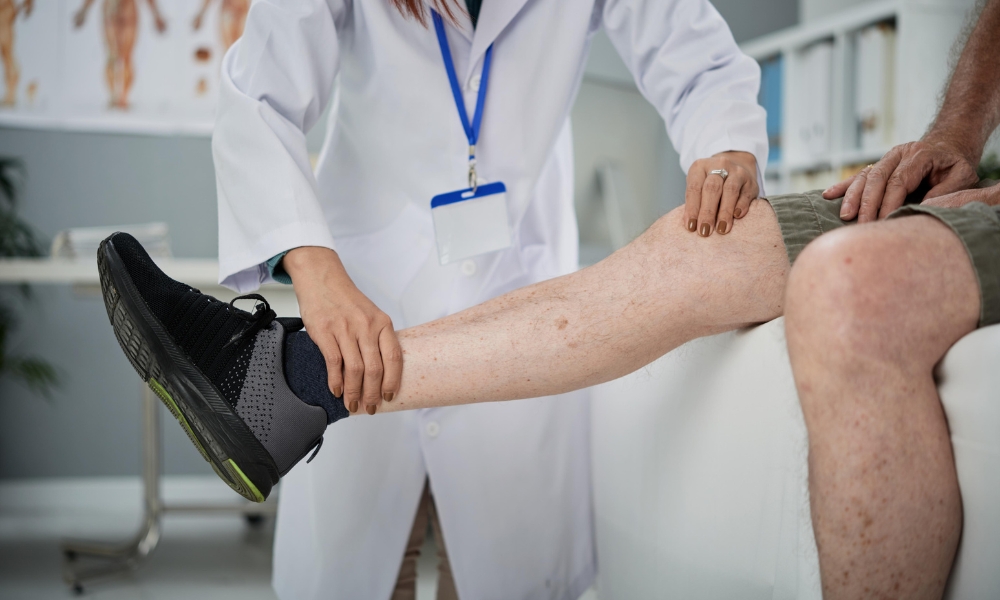
A physical examination can provide additional clues. Your provider may check pulses in the legs and feet, examine skin color and temperature, and look for wounds or other changes.
When PAD is suspected, an ankle-brachial index, or ABI test, may be used.
What is an ABI test?
An ABI compares blood pressure measured at the ankle with blood pressure measured at the arm. Because a narrowed artery can reduce pressure beyond the affected area, the comparison can provide useful information about arterial blood flow to the legs.
The test is noninvasive and generally involves blood pressure cuffs and a Doppler device used to detect blood flow.
An abnormal ABI can support a diagnosis of PAD, although results must be interpreted in context.
In some people, particularly those with very stiff arteries, an ABI may not provide a complete picture. If symptoms remain concerning, additional testing may be necessary.
Vascular ultrasound
A vascular ultrasound can provide additional information about blood flow through blood vessels. Unlike an ABI, which provides pressure comparisons, ultrasound can help visualize the vessels and assess blood flow patterns.
Vascular ultrasound may therefore be useful when a healthcare professional needs more information about the circulation in the legs.
How Is Peripheral Artery Disease Treated?
PAD treatment depends on the severity of the disease, the symptoms you experience, your cardiovascular risk, and whether blood flow is significantly restricted.
The first goal is usually to address the factors contributing to vascular disease and reduce the risk of future cardiovascular problems.
Managing cardiovascular risk factors
Your healthcare professional may recommend managing conditions such as high blood pressure, high cholesterol, and diabetes. If you smoke, quitting is an important part of protecting your blood vessels.
Medication may also be prescribed depending on your diagnosis and overall cardiovascular risk.
Physical activity
For many people with stable PAD, an appropriate walking or exercise program can be an important component of management.
Exercise recommendations should be individualized. If you have significant symptoms, wounds, severe circulation problems, or another health condition, discuss the safest approach with your healthcare professional before starting or changing an exercise program.
When are procedures considered?
Some people with PAD continue to have significant symptoms despite medical management and appropriate lifestyle measures. Others may have severe reductions in blood flow that require more advanced treatment.
Depending on the location and severity of the arterial problem, a vascular specialist may consider an endovascular procedure or another intervention to improve blood flow.
The appropriate treatment is highly individual. Having PAD does not automatically mean that you need an invasive procedure.
Can PAD Be Prevented or Its Progression Reduced?
You cannot control every factor associated with PAD, but many of the major cardiovascular risk factors can be addressed.
Keeping blood pressure and cholesterol within the range recommended by your healthcare professional, managing diabetes when applicable, avoiding tobacco, maintaining appropriate physical activity, and following your prescribed treatment plan can all contribute to better cardiovascular health.
It is also important to pay attention to changes in your feet.
Look for cuts, blisters, sores, unusual discoloration, changes in temperature, and areas of irritation. This is particularly important if you have diabetes or reduced sensation in your feet.
Do not wait for severe pain before discussing symptoms with a healthcare professional. PAD can sometimes progress gradually, and early evaluation provides an opportunity to identify the problem and address cardiovascular risk factors.
Vascular Care in Houston, Tomball, and Cypress
If you are experiencing recurring leg pain when walking, cold feet, numbness, changes in skin appearance, or a wound that is not healing normally, a vascular evaluation can help determine whether reduced arterial circulation may be contributing.
Apex Heart & Vascular Center provides cardiovascular and vascular care in Houston, Tomball, and Cypress, Texas. The practice evaluates cardiovascular and vascular conditions and offers diagnostic services that can help assess circulation.
Depending on your symptoms and medical history, your healthcare professional may recommend an ABI, vascular ultrasound, or another diagnostic evaluation.
Don’t Ignore Changes in Your Leg Circulation
Persistent leg pain, cold feet, numbness, or slow-healing wounds deserve attention. A proper evaluation can help identify the cause and determine whether vascular disease is involved.
Frequently Asked Questions About PAD Warning Signs
What is the most common warning sign of PAD?
One of the classic warning signs is recurring pain, aching, or cramping in the leg during walking that improves after resting. This pattern is called intermittent claudication.
Can cold feet be a sign of PAD?
Yes. Persistent or unusually cold feet can occur with reduced arterial blood flow, although cold feet have many possible causes. Coldness is more concerning when it occurs alongside leg pain, numbness, skin changes, or slow-healing wounds.
Can PAD cause numbness in the feet?
PAD can be associated with numbness or other abnormal sensations, particularly when circulation is significantly impaired. However, nerve conditions, diabetes, and other problems can also cause numb feet, so the underlying cause needs to be evaluated.
Does leg pain when walking always mean PAD?
No. Arthritis, muscle conditions, nerve compression, and spinal problems can also cause pain during walking. PAD becomes more suspicious when the discomfort consistently appears after activity and improves with rest.
Can PAD cause foot wounds that do not heal?
Significantly reduced arterial blood flow can interfere with the healing of wounds on the feet and lower legs. A wound that is slow to heal should be medically evaluated, particularly if you have diabetes or other cardiovascular risk factors.
What test is used to diagnose PAD?
An ankle-brachial index is commonly used to evaluate suspected PAD. Depending on the situation, a healthcare professional may also recommend vascular ultrasound or other testing.
When should I seek emergency care for PAD symptoms?
Seek emergency medical attention if a leg or foot suddenly becomes severely painful, cold, pale or blue, numb, or weak. Sudden loss of arterial blood flow can be an emergency.
Can PAD be treated without surgery?
Many people with PAD are initially managed with cardiovascular risk-factor control, medication when appropriate, and an individualized activity program. Some people with significant or persistent symptoms may require a vascular procedure.
Final Thoughts
PAD is not always dramatic when it begins. Sometimes the first clue is simply that your calf hurts sooner than it used to when you walk. Sometimes it is a foot that stays unusually cold, a change in sensation, or a small wound that refuses to heal normally.
These symptoms do not automatically mean that you have peripheral artery disease. But they are worth paying attention to, especially when they are persistent, worsening, or affecting your ability to walk and participate in everyday activities.
Recognizing PAD early gives you an opportunity to evaluate the cause, address cardiovascular risk factors, and determine whether treatment is needed. A vascular evaluation may include an examination, ABI testing, vascular ultrasound, or other diagnostic methods depending on your situation.
Most importantly, do not ignore a sudden change. Severe pain accompanied by a cold, pale or blue, numb, or weak foot or leg requires immediate medical attention.
Medical Disclaimer: This article is intended for general educational purposes and does not replace professional medical advice, diagnosis, or treatment. Symptoms of PAD can overlap with other medical conditions. A qualified healthcare professional should evaluate persistent or concerning symptoms. If you experience sudden severe leg or foot pain, coldness, discoloration, numbness, or weakness, seek emergency medical attention.