
Atrial fibrillation can be frightening, especially when your heart suddenly begins racing, fluttering, or beating irregularly. One of the first questions that often comes to mind is simple: “Is this an emergency?”
Sometimes AFib requires immediate emergency medical attention. Other episodes may need prompt medical evaluation but are not necessarily life-threatening. The difficult part is knowing the difference when you are the person experiencing the symptoms.
AFib itself does not always mean you need an ambulance or emergency department. However, AFib accompanied by severe chest pain, significant difficulty breathing, fainting, severe weakness, or symptoms of a possible stroke can represent a medical emergency.
Because serious heart and blood-vessel conditions can cause symptoms similar to AFib, it is safer to take severe or unusual symptoms seriously rather than assuming they are simply part of your usual rhythm problem.
Important Note: If you are experiencing severe chest pain, significant trouble breathing, fainting, sudden one-sided weakness or numbness, difficulty speaking, sudden vision changes, or another potentially life-threatening symptom, seek emergency medical care immediately. Do not wait for the heart rhythm to return to normal on its own.
When Is AFib an Emergency?
AFib becomes an emergency when it occurs with symptoms suggesting that the heart, brain, lungs, or circulation may be in danger.
A racing or irregular heartbeat by itself does not necessarily mean that you are having a life-threatening event. Some people have episodes of paroxysmal AFib that begin suddenly and stop on their own.
The situation changes when the abnormal rhythm is accompanied by severe symptoms.
For example, someone with AFib who suddenly develops intense chest pressure and difficulty breathing should not assume the symptoms are simply caused by the irregular rhythm. Those symptoms can occur with other serious cardiovascular conditions, including problems involving blood flow to the heart.
Likewise, sudden weakness on one side of the body or difficulty speaking can indicate a stroke. Because AFib can increase the risk of blood clots and stroke in some people, these symptoms require immediate emergency evaluation.
The key is to look at the whole clinical picture, not just the heart rate displayed on a smartwatch or home monitor.
Which AFib Symptoms Require Emergency Care?
If you have known or suspected AFib, seek emergency medical attention when the episode is accompanied by serious symptoms such as:
- Severe or persistent chest pain or pressure
- Significant difficulty breathing
- Fainting or loss of consciousness
- Severe or rapidly worsening dizziness
- Sudden weakness or numbness, particularly on one side
- Sudden difficulty speaking or understanding speech
- Sudden vision changes
- Severe loss of balance or coordination
- Sudden severe headache with other neurological symptoms
- A severe or rapidly worsening overall condition
These symptoms should not be evaluated solely by checking whether your pulse is fast or irregular. A person can have a dangerous cardiovascular problem even when the heart rate does not appear dramatically elevated.
Similarly, a person with a very fast heartbeat may not necessarily be experiencing a life-threatening condition. What matters is the rhythm, the underlying cause, the duration, the person’s medical history, and—most importantly—the symptoms accompanying the episode.
AFib With Chest Pain or Pressure
Chest pain is one of the symptoms that deserves particular attention.
AFib can produce an uncomfortable awareness of the heartbeat, and some people may experience chest discomfort during an episode. But chest pain should never automatically be attributed to AFib.
Chest pressure, squeezing, heaviness, or significant discomfort can be associated with reduced blood flow to the heart and other serious cardiovascular conditions. The symptoms can sometimes be difficult to distinguish from other causes without medical evaluation.
If you have an irregular heartbeat together with new, severe, persistent, or unexplained chest pain or pressure, seek emergency medical care.
This is especially important if the discomfort is accompanied by sweating, nausea, severe weakness, shortness of breath, dizziness, or pain that spreads to the arm, shoulder, back, neck, or jaw.
Do not wait to see whether the AFib episode stops first.
Apex Heart & Vascular Center also provides evaluation for chest pain and cardiovascular conditions that can cause chest-related symptoms.
AFib With Severe Shortness of Breath
Shortness of breath can occur during AFib because an irregular rhythm may affect how efficiently the heart fills and pumps blood. However, significant breathing difficulty can also have other cardiovascular or pulmonary causes.
If you suddenly feel as though you cannot get enough air, are struggling to breathe, or become severely short of breath at rest, do not assume that AFib is the only explanation.
Severe or rapidly worsening shortness of breath requires emergency medical evaluation.
Milder breathlessness that repeatedly occurs during episodes should still be discussed with your healthcare professional, particularly if it is new or interfering with normal activities.
Apex Heart & Vascular Center evaluates patients with shortness of breath as part of its cardiovascular symptom services.
AFib With Fainting or Severe Dizziness
Feeling mildly lightheaded can happen for many reasons, but fainting or nearly fainting during an abnormal heartbeat is more concerning.
When you faint, blood flow to the brain has been temporarily reduced enough to cause loss of consciousness. There are many potential causes, and an arrhythmia is one possibility that needs to be considered.
If you actually lose consciousness while experiencing an irregular or racing heartbeat, seek prompt medical evaluation. If fainting is accompanied by chest pain, severe shortness of breath, significant weakness, or other serious symptoms, emergency care is appropriate.
Severe or unexplained dizziness should also be taken seriously. Apex provides evaluation for dizziness and other cardiovascular symptoms.
AFib and Stroke Warning Signs
One of the most important reasons AFib requires medical attention is its relationship with stroke risk.
AFib can cause the atria to contract abnormally. In some patients, this can allow blood to pool in parts of the heart and increase the possibility of clot formation. If a clot travels through the bloodstream to the brain, it can cause a stroke.
This does not mean that every person with AFib will have a stroke. Individual risk varies based on factors such as age, high blood pressure, diabetes, heart failure, vascular disease, previous stroke or transient ischemic attack, and other medical considerations.
However, stroke symptoms are an emergency regardless of whether you already know you have AFib.
Remember the Sudden Warning Signs
Watch for sudden:
- Weakness or numbness on one side of the body
- Difficulty speaking or understanding speech
- Confusion or a sudden change in mental function
- Vision loss or significant vision changes
- Difficulty walking or maintaining balance
- Loss of coordination
- Severe headache, particularly when it occurs suddenly or with other neurological symptoms
If these symptoms occur, seek emergency medical care immediately. Do not wait for them to improve because your heartbeat appears to have returned to normal.
Important Note: AFib-related stroke symptoms can occur even when the heart rhythm problem itself is not producing dramatic sensations. If sudden neurological symptoms appear, treat them as an emergency rather than waiting for a routine cardiology appointment.
Is a Very Fast Heart Rate an AFib Emergency?
Not necessarily—but a very fast heart rate should be taken seriously when it is persistent, new, or accompanied by concerning symptoms.
During AFib, the ventricles may beat faster than normal because the electrical signals reaching them are irregular. Some people notice a rapid pulse, while others primarily notice an uneven rhythm.
A number displayed by a smartwatch or home blood pressure monitor can provide useful information, but it cannot determine by itself whether the rhythm is AFib or whether the situation is dangerous.
For example, exercise can temporarily increase your heart rate without representing AFib. Conversely, someone with a serious rhythm problem may not have an extremely high number.
That is why symptoms and clinical evaluation matter more than relying on a single heart-rate reading.
What If Your Heart Rate Is Suddenly Very High?
If your heart rate suddenly becomes much faster than usual and remains elevated while you are resting, especially if you feel weak, dizzy, short of breath, or have chest discomfort, seek medical advice promptly.
If severe symptoms occur, seek emergency medical care rather than waiting for the number to come down.
When Does AFib Need Same-Day Medical Evaluation?
Not every AFib episode requires an emergency department visit. However, some situations deserve same-day or prompt medical evaluation even when you do not have severe emergency symptoms.
Examples include a new diagnosis or suspected first episode of AFib, episodes that are becoming more frequent, symptoms that last longer than usual, or a noticeable change in the pattern of your heartbeat.
You should also discuss recurring palpitations or irregular heartbeats with a healthcare professional if you have cardiovascular risk factors or a history of heart disease.
Likewise, if episodes are interfering with your ability to exercise, work, sleep, or perform normal activities, they deserve evaluation even if they eventually stop.
The goal is not simply to stop an uncomfortable heartbeat. It is to identify the rhythm, understand why it may be occurring, assess your cardiovascular risk, and determine whether treatment is appropriate.
Concerned About a New or Recurring Irregular Heartbeat?
AFib symptoms can overlap with other heart rhythm and cardiovascular conditions. Appropriate testing can help determine what is happening and whether additional treatment is needed.
What Should You Do During a Possible AFib Episode?
When your heartbeat suddenly becomes irregular or starts racing, it is understandable to feel alarmed. The first step is to pay attention to how you feel rather than focusing only on the number shown by a smartwatch or blood pressure monitor.
If you are otherwise stable, sit down somewhere safe and note when the symptoms began. Pay attention to whether the heartbeat feels fast, irregular, fluttering, or pounding. Also notice whether you are experiencing chest discomfort, shortness of breath, dizziness, weakness, or other unusual symptoms.
If you have already been diagnosed with AFib and your healthcare professional has given you specific instructions for episodes, follow that plan.
Do not take an extra dose of prescription medication unless your clinician has specifically instructed you to do so. Similarly, do not start, stop, or change blood-thinning medication based only on how you feel during an episode.
If severe chest pain, significant breathing difficulty, fainting, or possible stroke symptoms occur, seek emergency medical attention immediately.
Should You Drive Yourself to the Hospital?
If you are experiencing severe symptoms such as fainting, significant breathing difficulty, severe chest pain, or possible stroke symptoms, it is safer to seek emergency medical assistance rather than attempting to drive yourself.
Serious symptoms can worsen unexpectedly, and someone experiencing dizziness, weakness, or impaired coordination may not be in a safe condition to drive.
How Do Doctors Determine Whether AFib Is an Emergency?
When you seek medical care for suspected AFib, the first priority is determining whether you are medically stable and whether another serious condition could be causing your symptoms.
Your healthcare provider will consider your symptoms, medical history, medications, cardiovascular risk factors, vital signs, and physical examination findings.
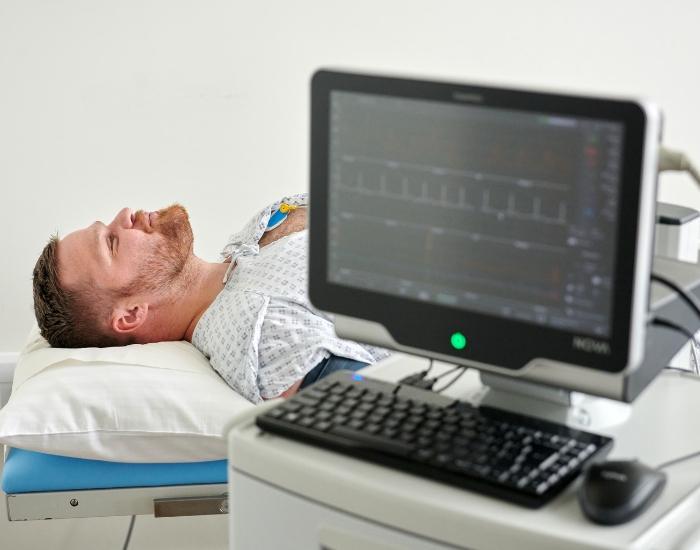
An electrocardiogram (EKG) is commonly used to evaluate the heart’s electrical activity. It can help identify AFib and other abnormal heart rhythms.
However, an EKG is only a snapshot of the heart rhythm. If an intermittent AFib episode has already stopped, the rhythm may appear normal when the test is performed.
That is why your description of the episode can be important. The timing, duration, symptoms, triggers, and pattern may help your healthcare provider decide whether additional rhythm monitoring is appropriate.

What Tests May Be Used?
The tests used depend on the patient’s symptoms and clinical situation. There is no single test that is appropriate for every person with suspected AFib.
Electrocardiogram
An EKG records the electrical activity of the heart and can identify an abnormal rhythm when it occurs during the recording.
It may be particularly useful when someone is experiencing symptoms at the time of evaluation.
Heart Rhythm Monitoring
When symptoms come and go, longer monitoring may be useful. A Holter monitor, event monitor, or another form of ambulatory rhythm monitoring can record heart activity during everyday life.
This can help connect symptoms with the actual rhythm occurring at that moment. For someone who feels an irregular heartbeat only occasionally, longer monitoring may provide information that a brief office EKG cannot.
Echocardiogram
An echocardiogram uses ultrasound to evaluate the structure and function of the heart.
It can provide information about the heart chambers, valves, pumping function, and other structural features. This information can help physicians understand the broader cardiovascular picture surrounding an arrhythmia.
Additional Cardiovascular Testing
Depending on your symptoms and medical history, your healthcare provider may recommend additional testing. This could include blood tests or other cardiovascular studies when clinically appropriate.
The purpose is not simply to label the heartbeat. It is to determine what is causing the symptoms, evaluate potential complications, and develop an appropriate treatment plan.
Why Can AFib Increase Stroke Risk?
AFib is important beyond the uncomfortable sensation of an irregular heartbeat because it can increase the risk of blood clots and stroke in some people.
During a normal rhythm, the upper chambers of the heart contract in a coordinated way. With AFib, the atria beat in a disorganized manner. This can affect blood flow through the heart and may allow blood to remain in certain areas long enough for a clot to form.
If a clot travels through the bloodstream and reaches the brain, it can block blood flow and cause an ischemic stroke.
That is why your healthcare provider may assess your individual stroke risk after diagnosing AFib. Some patients may benefit from medication that reduces clot formation, while others may not need it. The decision depends on individual risk factors and should be made with a qualified healthcare professional.
Does Every AFib Episode Need Emergency Treatment?
No. This is an important distinction.
Some people have recurrent paroxysmal AFib episodes that resolve without emergency intervention. If the person is stable and does not have serious symptoms, the appropriate next step may be contacting their healthcare professional and following an established AFib management plan.
But the fact that an episode has stopped before does not mean every future episode will be identical.
A new symptom, a significant change in duration, unusual severity, or the appearance of chest pain, severe shortness of breath, fainting, or neurological symptoms changes the situation.
Think of your previous AFib episodes as useful history—not as a guarantee that the next episode is harmless.
What Can Trigger or Worsen AFib?
AFib can occur for many different reasons, and sometimes there is no obvious trigger. Certain health conditions and lifestyle factors can make episodes more likely in some people.
High blood pressure is an important cardiovascular risk factor. Other contributors may include underlying heart disease, sleep-related breathing disorders, excessive alcohol use, thyroid problems, and certain other medical conditions.
Stress, poor sleep, dehydration, and illness may also coincide with episodes in some individuals.
However, it is important not to assume that identifying one possible trigger eliminates the need for medical evaluation. If you repeatedly experience an irregular heartbeat, the underlying rhythm should be assessed.
Managing conditions such as high blood pressure and high cholesterol can be an important part of protecting long-term cardiovascular health.
Similarly, maintaining appropriate cardiovascular care can help identify other conditions that may contribute to abnormal heart rhythms.

Why You Should Not Rely Only on a Smartwatch
Wearable devices can be useful for noticing changes in heart rate or rhythm, but they should not replace medical evaluation.
A smartwatch may alert you that your heart rate is unusually high or that an irregular rhythm has been detected. That information can be useful to share with your healthcare provider.
However, consumer devices have limitations. A notification does not necessarily establish a medical diagnosis, and a normal reading does not guarantee that nothing serious is happening.
If you have concerning symptoms, particularly chest pain, significant breathing difficulty, fainting, or stroke warning signs, do not wait for a wearable device to confirm the problem.
AFib Emergency Evaluation and Heart Care in Houston, Tomball, and Cypress
People experiencing recurring palpitations or suspected AFib may need cardiovascular evaluation to determine what is happening and whether additional testing is appropriate.
Apex Heart & Vascular Center provides cardiovascular services for patients in Houston, Tomball, and Cypress, Texas.
The practice evaluates symptoms including heart palpitations, dizziness, fatigue, shortness of breath, chest pain, and other symptoms that may be associated with cardiovascular conditions.
Diagnostic services include EKG testing, echocardiography, vascular ultrasound, nuclear stress testing, and other cardiovascular evaluations when appropriate.
Dr. Yasir Akram, MD, MPH, FACC, FSCAI, and the Apex Heart & Vascular Center team provide cardiovascular care with attention to the patient’s symptoms, medical history, risk factors, and diagnostic findings.
Recurring AFib Symptoms Should Not Be Ignored
Even when an episode stops on its own, recurring irregular heartbeats deserve appropriate evaluation. If you have new or changing symptoms, cardiovascular testing can help determine the cause.
Frequently Asked Questions About AFib Emergencies
When should I go to the ER for AFib?
Seek emergency medical care when AFib or a suspected irregular heartbeat occurs with severe chest pain, significant difficulty breathing, fainting, severe weakness, or possible stroke symptoms such as sudden one-sided weakness, difficulty speaking, or sudden vision changes.
Can AFib be an emergency without chest pain?
Yes. Serious symptoms such as fainting, severe breathing difficulty, or sudden neurological symptoms can require emergency care even when there is no chest pain.
Is a very fast heartbeat always an AFib emergency?
No. Heart rate alone does not determine whether an episode is an emergency. The rhythm, symptoms, duration, underlying health conditions, and clinical evaluation all matter.
Can AFib cause a stroke?
AFib can increase the risk of blood clots and stroke in some people. Individual risk varies, so a healthcare professional should assess your risk factors and determine whether preventive treatment is appropriate.
What should I do if my AFib suddenly starts?
If you are stable, note when the episode starts and pay attention to associated symptoms. Follow any AFib action plan provided by your healthcare professional. If severe chest pain, significant breathing difficulty, fainting, or possible stroke symptoms occur, seek emergency medical attention immediately.
Can an EKG tell if I am having AFib?
Yes, an EKG can identify AFib when the abnormal rhythm is occurring during the recording. If the episode has already stopped, a standard EKG may be normal, and longer-term rhythm monitoring may sometimes be needed.
More Questions About AFib Emergencies
Can AFib stop on its own and still be dangerous?
Yes. Some episodes of paroxysmal AFib end without treatment, but that does not automatically mean the episode was harmless. AFib can be associated with an increased risk of blood clots and stroke in some people, and the seriousness of an episode also depends on the symptoms and the person’s overall cardiovascular health.
If an episode repeatedly occurs, becomes more frequent, lasts longer than usual, or feels different from previous episodes, discuss the change with your healthcare professional.
Is AFib with dizziness an emergency?
Mild dizziness can occur for many reasons and does not automatically mean an AFib episode is life-threatening. However, severe dizziness, near-fainting, or actual fainting during an irregular heartbeat is more concerning.
If dizziness is severe or occurs with chest pain, significant shortness of breath, fainting, weakness, or neurological symptoms, seek emergency medical attention.
Can AFib cause shortness of breath?
Yes. AFib can make the heart pump less efficiently and may cause shortness of breath, particularly during physical activity. However, severe or rapidly worsening breathing difficulty should not simply be attributed to AFib.
Sudden significant shortness of breath requires prompt medical assessment because several potentially serious cardiovascular and pulmonary conditions can cause similar symptoms.
Can AFib cause chest pressure?
Some people may experience chest discomfort during an abnormal heart rhythm, but chest pressure should not automatically be assumed to be caused by AFib. New, severe, persistent, or unexplained chest pain or pressure requires emergency evaluation, particularly when it occurs with sweating, nausea, weakness, or breathing difficulty.
Can AFib cause fainting?
AFib can be associated with dizziness or weakness, but actual fainting requires medical evaluation because it can have several possible causes, including other heart rhythm abnormalities or problems affecting blood flow.
Fainting during a suspected AFib episode is particularly concerning when accompanied by chest pain, severe shortness of breath, or other serious symptoms.
Should I call an ambulance for AFib?
If suspected AFib is accompanied by severe chest pain, significant breathing difficulty, fainting, or possible stroke symptoms, seek emergency medical assistance immediately. If you are experiencing mild, familiar symptoms without emergency warning signs, follow the action plan provided by your healthcare professional or contact your medical office for guidance.
What if my AFib episode feels different from previous episodes?
A change in your usual pattern deserves attention. A noticeably longer episode, substantially faster heartbeat, new chest discomfort, unusual weakness, severe dizziness, or new breathing difficulty should not simply be assumed to be another routine episode.
When symptoms change, medical evaluation can help determine whether something besides your usual AFib is occurring.
Final Thoughts: Know the Difference Between an AFib Episode and an Emergency
AFib can be unsettling, but the presence of an irregular heartbeat does not automatically mean that you are experiencing a medical emergency.
The more important question is what symptoms are occurring along with the abnormal rhythm?
Severe chest pain, significant difficulty breathing, fainting, and sudden neurological symptoms are warning signs that should never be ignored. They can indicate serious problems involving the heart, brain, lungs, or circulation and require emergency medical attention.
For people with recurring or newly suspected AFib but without severe emergency symptoms, timely cardiovascular evaluation is still important. An EKG, longer-term rhythm monitoring, echocardiogram, or other testing may help identify the rhythm and determine whether treatment is appropriate.
It is also important to remember that AFib can come and go. You may feel completely normal between episodes, and a short EKG may not capture an intermittent rhythm abnormality. Keeping track of symptoms, timing, duration, and associated symptoms can give your healthcare provider useful information.
Most importantly, do not let previous episodes convince you that every future episode will be harmless. A significant change in symptoms deserves a fresh evaluation.
Need Your Heart Rhythm Evaluated?
If you are experiencing recurring palpitations, suspected AFib, dizziness, shortness of breath, or other cardiovascular symptoms, Apex Heart & Vascular Center can help evaluate the underlying cause.
Medical Disclaimer: This article is provided for general educational purposes and is not a substitute for professional medical advice, diagnosis, or treatment. Symptoms of AFib can overlap with other cardiovascular and medical conditions. If you are experiencing severe chest pain, significant difficulty breathing, fainting, sudden weakness or numbness, difficulty speaking, sudden vision changes, or other potentially life-threatening symptoms, seek emergency medical care immediately.