
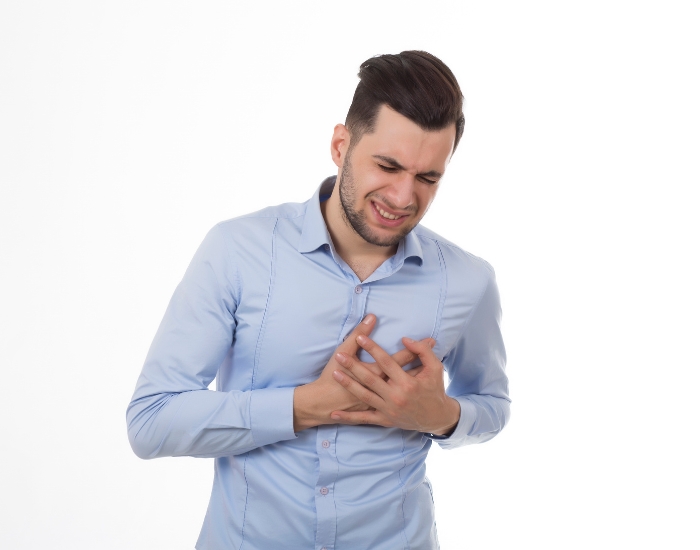
Chest pain can be alarming, leaving many patients unsure whether it’s a heart problem or something less serious. It can occur suddenly or gradually, feel sharp, dull, tight, or burning, and sometimes radiate to other parts of the body. This variability makes it important not to self-diagnose.
Understanding the potential causes, recognizing warning signs, and knowing when to seek medical care are key steps in protecting your heart and overall health. By differentiating heart-related chest pain from non-heart causes, patients can receive timely and appropriate treatment, whether that means chest pain treatment
, lifestyle adjustments, or consultation with a heart specialist Houston. Early intervention not only prevents serious complications but also provides peace of mind and empowers patients to make informed decisions about their heart health.
Table of Contents
- Understanding Chest Pain
- Heart-Related Causes of Chest Pain
- Non-Heart Causes of Chest Pain
- Symptoms That Require Immediate Attention
- Risk Factors for Heart-Related Chest Pain
- Diagnostic Tests and Treatments
- When to See a Doctor
- How a Heart Specialist Can Help
Understanding Chest Pain
Chest pain is not a single condition but a symptom that can signal a variety of issues. Some chest pain is minor and related to muscles, nerves, or digestive problems, while other types may indicate a serious heart condition. Because the causes vary widely, chest pain treatment should always be tailored to the underlying problem, guided by a medical professional.
Heart-Related Causes of Chest Pain
Heart-related chest pain is often caused by reduced blood flow to the heart or structural problems affecting heart function. Common heart-related causes include:
-
Angina: A sensation of pressure or tightness in the chest caused by reduced blood flow to the heart.
-
Heart attack (myocardial infarction): Occurs when blood flow to the heart is blocked, often causing severe chest pressure, shortness of breath, and sweating.
-
Pericarditis: Inflammation of the heart lining, which can produce sharp chest pain.
-
Arrhythmias: Abnormal heart rhythms may lead to chest discomfort, palpitations, or fainting.
Patients experiencing heart-related symptoms should consult a heart specialist Houston promptly to assess risk and receive appropriate interventions.
Non-Heart Causes of Chest Pain
While many people immediately associate chest pain with heart problems, it’s important to know that not all chest pain originates from the heart. Several other conditions can cause discomfort in the chest area, and understanding these can help you identify the potential source of your symptoms.
-
Gastroesophageal reflux disease (GERD): Acid reflux occurs when stomach acid flows back into the esophagus, causing a burning sensation or tightness in the chest. This discomfort can often worsen after meals, when lying down, or during bending and lifting. Some patients may mistake GERD-related pain for heart-related pain, which is why a careful evaluation is important.
-
Muscle strain: Overexertion, heavy lifting, or even intense coughing can strain the muscles in the chest wall, producing sharp or stabbing pain. Unlike heart-related pain, this type of discomfort often worsens with movement or when pressing on the affected area, and it usually improves with rest or anti-inflammatory medications.
-
Lung conditions: Various lung problems can also lead to chest pain. Pneumonia, pulmonary embolism (a blood clot in the lung), or pleuritis (inflammation of the lining of the lungs) can cause pain that is often sharp and may worsen with deep breaths or coughing. Shortness of breath and difficulty breathing often accompany these conditions, requiring timely medical evaluation.
-
Anxiety or panic attacks: Emotional stress, anxiety, or panic attacks can sometimes produce physical symptoms, including chest tightness, palpitations, and a sense of pressure. While these episodes are not caused by heart disease, they can feel alarming and may mimic heart-related symptoms.
Although these non-heart causes are often less immediately dangerous than heart attacks, persistent, severe, or unusual chest pain should never be ignored. A medical evaluation is essential to rule out serious conditions and ensure proper treatment.
Symptoms That Require Immediate Attention
Certain chest pain symptoms are considered medical emergencies and require urgent evaluation. Recognizing these warning signs can be lifesaving. Seek immediate care if your chest pain is accompanied by any of the following:
-
Sudden, severe pressure or squeezing in the chest: This may feel like a heavy weight or intense tightness, which could signal a heart attack.
-
Pain radiating to the arm, jaw, neck, or back: These radiating symptoms often indicate heart-related issues.
-
Shortness of breath, dizziness, or fainting: Difficulty breathing, lightheadedness, or loss of consciousness may indicate a life-threatening heart or lung problem.
-
Nausea or vomiting: Gastrointestinal distress along with chest pain can sometimes accompany heart attacks.
-
Cold sweats: Profuse sweating without physical exertion can be a warning sign of a cardiac emergency.
Prompt evaluation at an emergency department or by calling 911 can save lives, as early intervention is critical in treating conditions like heart attacks or pulmonary embolisms. Never delay seeking help if these symptoms occur, even if the pain seems to subside.
Risk Factors for Heart-Related Chest Pain
Understanding personal risk factors for heart disease is crucial in both prevention and early detection of serious cardiac events. Patients with one or more of the following risk factors should pay close attention to chest pain or other warning signs:
-
Age: The likelihood of heart-related chest pain increases with age. Men over 45 and women over 55 are at higher risk.
-
Family history: A family history of heart disease, heart attack, or stroke increases your risk due to genetic predisposition.
-
Lifestyle factors: Smoking, a diet high in saturated fats, sedentary behavior, and excessive alcohol consumption can all contribute to heart disease.
-
Medical conditions: Chronic conditions such as high blood pressure, diabetes, high cholesterol, and obesity significantly raise the risk of heart problems.
Addressing these risk factors through lifestyle modifications, medication adherence, and regular check-ups can significantly reduce the likelihood of serious heart conditions. Patients should work with their healthcare provider to develop a personalized prevention plan.
Diagnostic Tests and Treatments
A cardiologist may order several tests to determine the cause of chest pain, including:
-
Electrocardiogram (ECG): Measures the heart’s electrical activity.
-
Echocardiogram test: Evaluates heart function and structure.
-
Nuclear stress test: Detects areas of poor blood flow in the heart.
-
Blood tests to check for heart damage markers
Treatment varies depending on the cause:
-
Heart-related pain: Medications, lifestyle changes, procedures like stenting or surgery
-
Non-heart pain: Acid reducers, physical therapy, stress management
Early and accurate diagnosis ensures that treatment is effective and complications are minimized.
When to See a Doctor
You should see a doctor if you experience:
-
Recurrent chest pressure or discomfort
-
Shortness of breath without obvious cause
-
Persistent palpitations or irregular heartbeat
-
Pain that worsens with exertion or stress
-
Abnormal findings during routine health exams (e.g., high blood pressure or cholesterol)
Additionally, if you’ve experienced a known heart condition, ongoing follow-up with a cardiologist is essential. Timely consultation ensures appropriate monitoring and effective chest pain treatment.
How a Heart Specialist Can Help
Consulting a heart specialist Houston provides patients with:
-
Expert evaluation of symptoms
-
Accurate diagnosis using advanced testing
-
Personalized treatment plans
-
Ongoing support for lifestyle changes and disease management
Specialist care empowers patients to understand their heart health and take proactive steps toward prevention and recovery.
Medical Disclaimer: This article is for educational purposes only and does not replace professional medical advice. Always consult your physician or qualified healthcare provider regarding any questions about chest pain or heart health. If you experience severe or persistent chest pain, seek immediate medical attention.