
Cold feet are easy to dismiss. Maybe the room is chilly, you have been sitting for a while, or your feet simply tend to feel colder than the rest of your body. Numb toes can seem just as harmless, especially if the sensation comes and goes.
But what if your feet are frequently cold even when the rest of you feels comfortable? What if your toes feel numb, tingly, unusually pale, or different from one foot to the other?
Those changes can sometimes be related to poor circulation, particularly reduced blood flow through the arteries supplying your legs and feet. Peripheral artery disease (PAD) is one condition that can affect circulation to the lower extremities.
At the same time, cold feet and numb toes are not automatically signs of a vascular problem. Nerve conditions, diabetes, medication effects, exposure to cold temperatures, thyroid disorders, and other health issues can cause similar symptoms.
That is why the pattern matters. How often the symptoms occur, whether they affect one or both feet, what happens when you walk, and whether you notice pain or skin changes can provide important clues.
Important Note: A foot or leg that suddenly becomes cold, pale or blue, numb, weak, or severely painful can indicate a serious loss of blood flow. Do not wait for it to improve on its own. Seek urgent medical attention.
Can Cold Feet and Numb Toes Be a Sign of Poor Circulation?
Yes, cold feet and numb toes can sometimes be signs of reduced blood flow, but they do not prove that poor circulation is the cause.
Your feet depend on a continuous supply of oxygen-rich blood delivered through arteries. If those arteries become narrowed, blood flow may decrease, particularly when your muscles and tissues need more oxygen.
Peripheral artery disease is one possible cause. PAD occurs when plaque builds up inside arteries and restricts blood flow, most often affecting the legs.
Someone with PAD may notice coldness in the feet, numbness, weakness, leg fatigue, or pain during walking. In more advanced cases, there may be skin changes or wounds that heal slowly.
However, there is an important distinction between an occasional cold sensation and a persistent change in circulation. Feet naturally lose heat in cold environments. Sitting in one position for a long time can also temporarily affect how your feet feel.
The symptoms become more worth investigating when they are persistent, progressively worsening, occur without an obvious environmental explanation, or appear alongside other vascular warning signs.

How Does Poor Circulation Make Your Feet Feel?
When blood flow to the feet is reduced, the sensations can vary considerably.
Some people describe their feet as unusually cold. Others notice numbness, tingling, weakness, or a feeling that their feet are “asleep.” You may also notice that your feet become tired more easily when walking.
In arterial circulation problems, the affected foot may feel cooler than the other foot. Skin may appear paler than usual, and in more advanced disease, there can be bluish discoloration or other changes.
Reduced blood flow can also affect the body’s ability to repair injured tissue. A small cut, blister, or sore may take longer than expected to heal.
It is important to remember that these symptoms can have causes unrelated to circulation. A medical evaluation is the best way to determine what is actually happening.
Concerned about circulation? Persistent coldness, numbness, or changes in your feet are worth discussing with a healthcare professional, especially when they are accompanied by leg pain or changes in walking ability.
What Does PAD Feel Like in the Feet?
PAD does not affect everyone in exactly the same way. Some people have no obvious symptoms during the early stages, while others develop recognizable changes in their legs and feet.
One classic PAD symptom is intermittent claudication. This refers to aching, cramping, heaviness, or fatigue that develops in the legs during walking or exercise and improves after resting.
For example, you may walk several blocks without difficulty and then notice your calf becoming uncomfortable. After stopping for a few minutes, the discomfort settles. When you begin walking again, the same pattern returns.
The pain may occur in the calf, thigh, buttock, or foot depending on where the blood-flow restriction is located.
Cold feet and numbness can occur alongside this walking-related discomfort. Some people also notice weakness or a gradual reduction in how far they can walk.
Severe PAD can cause symptoms even while resting. In advanced cases, inadequate blood flow can threaten the health of the foot and lower leg.
If you regularly experience leg pain or claudication when walking, vascular evaluation can help determine whether reduced arterial blood flow may be contributing.
What Are the Signs of Poor Circulation in the Feet?
Coldness is only one possible sign. When circulation is reduced, several symptoms may occur together.
Persistent Coldness
Your feet may feel colder than the rest of your body even in a comfortable environment. One foot may also feel colder than the other.
A persistent temperature difference is more significant than simply having cold feet after being outside on a winter day.
Numbness or Tingling
Reduced blood flow can contribute to numbness or abnormal sensations, particularly when circulation is significantly impaired. However, nerve problems are another very common explanation.
Changes in Skin Color
Reduced arterial blood flow may cause the skin to look unusually pale. More severe circulation problems can produce a bluish appearance.
Slow-Healing Wounds
Your skin needs adequate blood flow to support normal tissue repair. If a wound on the foot repeatedly takes a long time to heal, it deserves medical attention.
Foot or Leg Pain
Some people develop discomfort in the feet or legs during walking. The pain may improve when they stop and rest.
Weakness or Fatigue
Your feet or legs may feel weaker or more easily fatigued than they used to. A noticeable change in exercise or walking tolerance should not automatically be attributed to aging.
Why Do My Toes Feel Numb or Tingly?
Numb toes can have several possible causes, and poor circulation is only one of them.
Nerve problems are particularly important to consider. Nerves carry sensation from your feet to your brain, so problems affecting those nerves can produce numbness, tingling, burning, or pins-and-needles sensations.
Diabetes is a common cause of peripheral nerve problems. Nerve compression in the lower back or legs can also cause symptoms that travel into the foot.
Footwear that is too restrictive, prolonged pressure on a nerve, and certain nutritional or metabolic problems can also contribute.
This creates an important diagnostic challenge: numbness does not automatically mean poor circulation.
Healthcare professionals may consider both vascular and neurological causes depending on the pattern of your symptoms.
Can Poor Circulation Cause Burning Feet?
Burning sensations are more commonly associated with nerve-related conditions, although people with circulation problems may describe unusual sensations in their feet as well.
If your feet burn, tingle, or feel numb repeatedly, it is useful to describe exactly what the sensation feels like and when it occurs.
Does it happen primarily at night? Can walking make it worse? Does changing position affect it? Is one foot affected more than the other?
These details can help distinguish among vascular, neurological, musculoskeletal, and other possible causes.
What Else Causes Cold Feet and Numb Toes?
Cold feet and numb toes can occur for reasons that have nothing to do with blocked arteries.
Cold Temperatures
The simplest explanation is sometimes the correct one. Your body naturally changes blood flow to the skin in response to cold temperatures, which can make your feet feel chilly.
Peripheral Neuropathy
Peripheral neuropathy can cause numbness, tingling, burning, or altered sensation in the feet. Diabetes is an important cause, but neuropathy can have other causes as well.
Nerve Compression
A compressed nerve in the back or lower extremity can produce numbness or tingling that extends into the foot or toes.
Thyroid and Metabolic Conditions
Some metabolic and endocrine disorders can affect temperature sensitivity, nerves, or circulation. Your healthcare professional may consider these possibilities when the symptoms do not fit a straightforward vascular pattern.
Medications and Other Health Conditions
Certain medications and medical conditions can influence blood vessels, nerves, or temperature regulation. This is another reason a complete medical history matters.
If coldness or numbness persists without an obvious explanation, an evaluation can help determine whether vascular testing, neurological assessment, blood tests, or another approach is appropriate.
Why Do My Feet Feel Different When I Walk?
Walking increases the amount of oxygen your leg muscles require.
If blood flow through the arteries is limited, the circulatory system may not be able to deliver enough oxygen to meet that increased demand. This can produce discomfort, heaviness, fatigue, or cramping.
That is why the relationship between walking and symptoms is an important clue when evaluating possible PAD.
For example, if you repeatedly develop calf discomfort after walking a predictable distance and the discomfort improves after stopping, tell your healthcare professional.
On the other hand, pain that changes significantly with body position, back movement, or sitting may suggest a nerve or musculoskeletal cause instead.
These patterns are not enough to diagnose yourself, but they can provide useful information during an evaluation.
What Does It Mean if Only One Foot Is Cold?
A difference between the two feet can be more noticeable than generalized coldness.
If one foot has suddenly become much colder than the other, particularly when accompanied by severe pain, numbness, weakness, or a pale or bluish appearance, the change can indicate a serious reduction in arterial blood flow.
That situation should be treated as urgent.
A gradual difference between the feet may have other explanations, but it still deserves attention if it persists or is accompanied by other symptoms.
Do not rely on touching the feet alone to determine whether circulation is normal. A proper vascular examination can provide much more useful information.
When Should Cold Feet Become a Concern?
Cold feet are not automatically dangerous. The important question is whether the coldness is persistent, unusual for you, or accompanied by other symptoms.
Make an appointment with a healthcare professional if your feet regularly feel cold without an obvious reason, particularly if you also have numbness, tingling, recurring leg pain, reduced walking ability, skin changes, or wounds that are slow to heal.
It is also worth getting evaluated if one foot consistently feels different from the other. A persistent difference in temperature, color, sensation, or strength can provide an important clue about what is happening.
People with risk factors for vascular disease should be especially attentive to changes in their feet. These include smoking, diabetes, high blood pressure, high cholesterol, older age, and a history of cardiovascular disease.
When should you seek urgent medical attention?
A sudden change is more concerning than feet that have always tended to run cold.
Seek urgent medical attention if a foot or leg suddenly becomes very cold, pale, blue, numb, weak, or severely painful. These symptoms can indicate an acute reduction in blood flow and should not be watched at home.
Similarly, sudden swelling and pain in one leg can sometimes indicate a blood clot and requires prompt medical evaluation.
Important Note: Do not wait for a suddenly cold, pale, blue, numb, or weak foot to “warm up” on its own. A sudden loss of blood flow can threaten the affected limb and requires urgent medical assessment.
How Are Circulation Problems in the Feet Diagnosed?
Diagnosing a circulation problem begins with something surprisingly simple: listening carefully to the symptom pattern.
Your healthcare professional may ask when the coldness or numbness started, whether it affects one or both feet, whether walking changes your symptoms, and whether you have experienced pain, swelling, skin changes, or wounds.
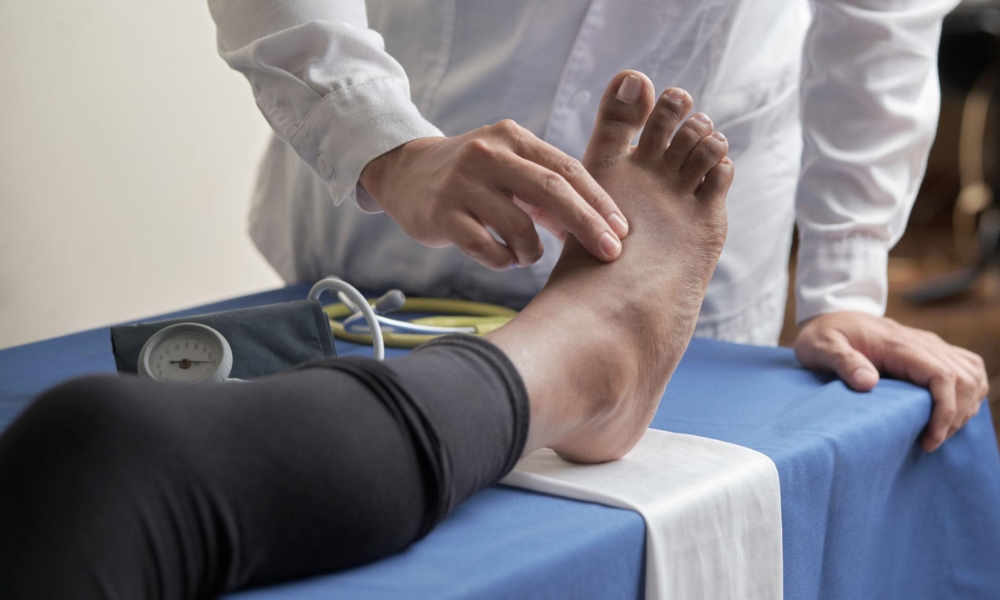
The examination may include checking pulses in your feet and legs, comparing both sides, examining skin color and temperature, and looking for other signs of vascular disease.
Your medical history also matters. Diabetes, smoking, high cholesterol, high blood pressure, kidney disease, and previous cardiovascular problems can influence the likelihood of arterial disease.
If the symptoms suggest a circulation problem, your healthcare professional may recommend vascular testing.
What Tests Check Blood Flow to the Feet?
The right test depends on what your healthcare professional suspects. Two commonly used vascular tests are the ankle-brachial index and vascular ultrasound.
Ankle-Brachial Index (ABI)
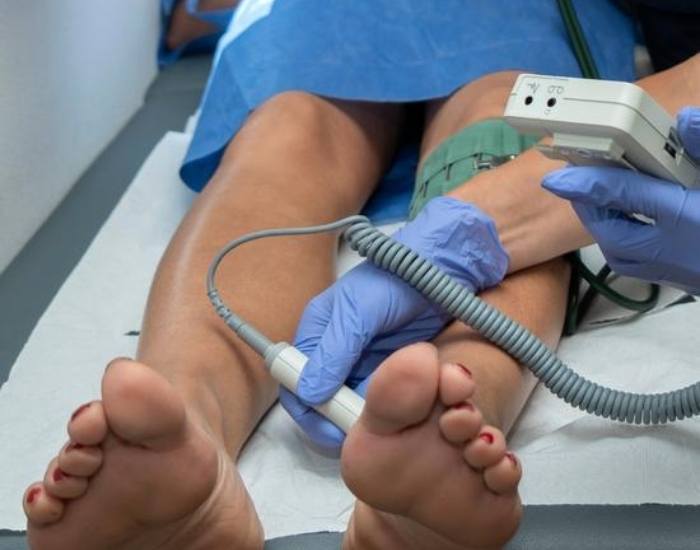
An ABI compares blood pressure measured at the ankle with blood pressure measured at the arm. The comparison helps assess whether blood flow through the arteries supplying the lower legs is reduced.
The test is noninvasive and uses blood-pressure cuffs. It can be particularly useful when symptoms suggest peripheral artery disease.
An ABI result should be interpreted alongside your symptoms and physical examination rather than viewed as a standalone diagnosis.
Vascular Ultrasound
Vascular ultrasound uses sound waves to evaluate blood flow through blood vessels. Depending on the type of study, it can examine arteries or veins.
It may help identify areas where blood flow is restricted or evaluate venous circulation when swelling or other symptoms raise concern about a vascular condition.
Vascular ultrasound is one of the diagnostic services available through Apex Heart & Vascular Center.
Additional Testing
Not every person with cold feet needs extensive vascular testing. If your symptoms suggest a nerve problem, metabolic condition, medication effect, or another cause, your healthcare professional may recommend a different evaluation.
The goal is not simply to prove that circulation is poor. It is to determine why your feet feel cold or numb so the underlying problem can be addressed appropriately.
How Are Poor Circulation Problems Treated?
Treatment depends on the underlying cause.
If peripheral artery disease is responsible, treatment may focus on improving cardiovascular health, controlling risk factors, reducing symptoms, and lowering the risk of future vascular complications.
Your healthcare professional may recommend physical activity appropriate for your condition, management of cholesterol and blood pressure, diabetes control when applicable, smoking cessation, and medications based on your individual medical needs.
More significant arterial blockages may sometimes require an interventional procedure to restore or improve blood flow.
Venous circulation problems are treated differently. Depending on the condition, treatment can involve measures that improve venous blood return or procedures directed at problematic veins.
If numbness is caused by neuropathy or nerve compression rather than circulation, treatment needs to address that underlying problem instead.
Should I Try to Warm Cold Feet at Home?
If your feet are simply cold because of the surrounding environment, ordinary measures such as moving around, wearing appropriate socks, or moving to a warmer environment may help.
But be careful if your feet are numb. Reduced sensation means you may not accurately judge temperature, which can increase the risk of burns from very hot water, heating pads, or other direct heat sources.
More importantly, warming your feet does not treat an underlying circulation problem. If your feet remain unusually cold despite being in a comfortable environment, the cause should be evaluated.
How Can You Protect Circulation in Your Feet?
Protecting the health of your blood vessels is one of the most useful things you can do for your legs and feet.
Regular physical activity can support cardiovascular health when it is appropriate for your medical condition. If walking consistently causes leg pain, however, do not simply push through unexplained symptoms. Tell your healthcare professional about the pattern.
Managing high blood pressure and cholesterol is also important. If you have diabetes, maintaining appropriate blood glucose control can help reduce the risk of complications affecting both blood vessels and nerves.
Smoking is a major vascular risk factor. If you smoke, discuss evidence-based ways to quit with a healthcare professional.
It is also helpful to check your feet regularly, especially if you have diabetes or reduced sensation. Look for cuts, blisters, color changes, swelling, or wounds that are not healing normally.
What Can I Do Before My Appointment?
Keep track of the symptoms rather than simply telling yourself that your feet “feel weird.” Specific details can make a medical appointment much more productive.
Write down whether the coldness affects one or both feet. Note whether your toes are numb, tingling, burning, painful, or simply less sensitive.
If walking triggers symptoms, record approximately how long or how far you can walk before they begin. Note whether stopping and resting changes the sensation.
Also mention any skin-color changes, swelling, wounds, weakness, or differences between your two feet.
Bring a list of your medications and tell your healthcare professional about conditions such as diabetes, high cholesterol, high blood pressure, or previous vascular problems.
Vascular Care in Houston, Tomball, and Cypress
If cold feet, numb toes, leg pain, or other changes have made you concerned about your circulation, an appropriate evaluation can help identify whether the cause is vascular or something else.
Apex Heart & Vascular Center provides cardiovascular and vascular care at locations serving Houston, Tomball, and Cypress, Texas.
The practice evaluates vascular symptoms and offers diagnostic services including vascular ultrasound. Patients can also receive evaluation for conditions such as peripheral vascular disease, leg pain and claudication, and other cardiovascular concerns.
The appropriate testing depends on your individual symptoms and medical history. A cold foot does not automatically mean PAD, just as numb toes do not automatically mean nerve disease. A professional evaluation can help distinguish between these possibilities.
Concerned About Cold Feet or Numb Toes?
Persistent coldness, numbness, or changes in your feet can have several causes. If you are concerned about circulation, Apex Heart & Vascular Center can evaluate your symptoms and determine whether vascular testing is appropriate.
Frequently Asked Questions
Can poor circulation cause cold feet?
Yes. Reduced arterial blood flow can cause feet to feel unusually cold, particularly when the coldness is persistent or one foot feels colder than the other. However, cold temperatures, nerve problems, medications, and other conditions can also cause cold feet.
Can numb toes be a sign of poor circulation?
They can be, but numb toes are not specific to circulation problems. Peripheral neuropathy, nerve compression, diabetes, and other conditions can cause numbness and tingling. The overall symptom pattern helps determine whether vascular testing is appropriate.
How do I know if my cold feet are caused by poor circulation?
Persistent coldness accompanied by leg pain during walking, changes in skin color, numbness, weakness, slow-healing wounds, or a noticeable temperature difference between the feet may warrant a vascular evaluation. An ABI or vascular ultrasound may be used when appropriate.
Why are my toes numb but my feet are not cold?
Numbness without coldness may be more suggestive of a nerve-related problem, although circulation cannot be ruled out based on that symptom alone. Diabetes, peripheral neuropathy, and nerve compression are among the possible causes.
Why is only one foot cold?
A persistent temperature difference between the feet can have several causes. A sudden cold foot, especially when accompanied by severe pain, pale or blue skin, numbness, or weakness, can indicate an urgent circulation problem.
What test checks circulation in the feet?
An ankle-brachial index can help assess arterial blood flow to the legs and feet. Vascular ultrasound can evaluate blood flow through arteries or veins. The appropriate test depends on your symptoms and examination findings.
Can walking help poor circulation in the legs?
For some people with peripheral artery disease, an appropriate walking program can improve walking ability and cardiovascular health. However, unexplained or severe leg pain should be evaluated before beginning an intensive exercise program.
When should I worry about cold feet?
Persistent cold feet deserve evaluation when they occur with numbness, pain, weakness, skin changes, slow-healing wounds, or reduced walking ability. A suddenly cold, pale, blue, numb, or weak foot requires urgent medical attention.
Final Thoughts
Cold feet and numb toes are common symptoms, but they should not always be brushed aside—especially when they represent a new or persistent change.
Poor circulation is one possible explanation. Peripheral artery disease can reduce blood flow to the legs and feet, sometimes causing coldness, numbness, walking-related pain, weakness, or changes in the skin. But nerve conditions, diabetes, environmental cold, and other health problems can produce similar sensations.
The most useful clues are often found in the pattern: whether symptoms affect one or both feet, whether they appear during walking, whether the skin changes color, and whether pain, swelling, weakness, or slow-healing wounds occur at the same time.
If you are noticing persistent changes, do not try to determine the cause from symptoms alone. A healthcare professional can examine your circulation and decide whether tests such as an ABI or vascular ultrasound are appropriate.
Medical Disclaimer: This article is for general educational purposes and does not replace professional medical advice, diagnosis, or treatment. Cold feet and numb toes can have vascular, neurological, metabolic, medication-related, or other causes. Seek professional medical evaluation for persistent or unexplained symptoms. Seek urgent medical attention for sudden severe pain, a suddenly cold or pale/blue foot, new weakness or numbness, or other signs of a potentially serious circulation problem.