
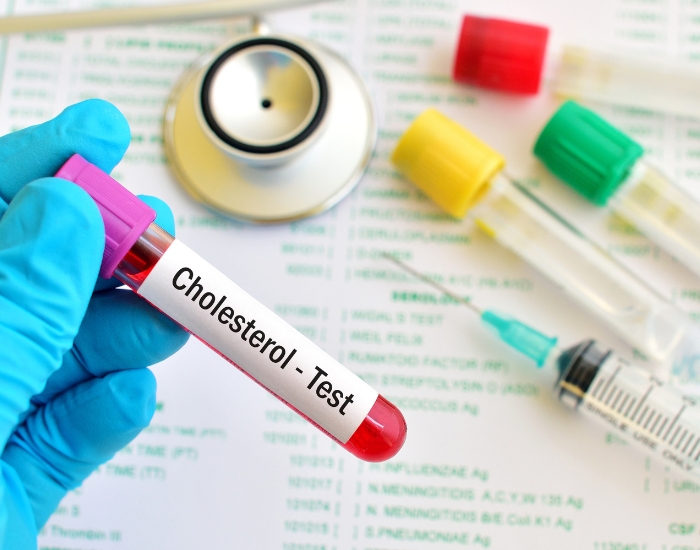
High cholesterol is one of the leading contributors to heart disease, stroke, and other serious cardiovascular problems. Many people feel perfectly healthy and do not realize their cholesterol levels are elevated until routine blood tests reveal an issue. The danger is that cholesterol can quietly build up in the arteries over time, reducing blood flow and increasing the risk of heart attacks or strokes. Because this process often occurs without obvious symptoms, early recognition and proactive management are critical. Understanding how to lower cholesterol fast requires a combination of lifestyle changes, medical evaluation, and, when necessary, medications. Simple adjustments such as adopting a heart-healthy diet, exercising regularly, managing weight, and quitting smoking can make a measurable difference in cholesterol levels. For many patients, partnering with a cardiologist in Houston ensures that interventions are personalized, safe, and effective.
With professional guidance, patients can actively reduce LDL (“bad” cholesterol), boost HDL (“good” cholesterol), and protect their heart and vascular system for the long term. Early action not only improves current health but also lowers the risk of complications later in life, making cholesterol management a vital step in maintaining overall cardiovascular wellness.
Understanding Cholesterol and Its Impact
Cholesterol is a fatty substance found in the blood. Your body needs some cholesterol for hormone production, digestion, and cell repair, but too much can be harmful. Elevated LDL cholesterol contributes to plaque buildup in arteries, a condition called atherosclerosis. Over time, plaque narrows arteries, restricts blood flow, and increases the risk of chest pain, heart attack, and stroke.
HDL cholesterol helps remove excess cholesterol from the bloodstream, which protects arteries and promotes heart health. Maintaining the right balance of LDL and HDL is crucial. Regular cholesterol checks, along with tests such as an echocardiogram test or a nuclear stress test, can provide a clear picture of your cardiovascular health and guide effective management strategies.
Recognizing Risk Factors for High Cholesterol
Certain lifestyle and health factors make elevated cholesterol more likely. These include:
- Diets high in saturated fats, trans fats, and processed foods
- Physical inactivity or sedentary lifestyle
- Overweight or obesity
- Smoking history
- Diabetes or metabolic syndrome
- Family history of heart disease
- Previous heart attack or stroke
Individuals with these risk factors should schedule an evaluation with a heart specialist Houston residents trust. Early assessment allows for personalized treatment plans that reduce long-term cardiovascular risk.
Lifestyle Strategies to Lower Cholesterol Fast
Adopt a Heart-Healthy Diet
Dietary changes have the most immediate impact on cholesterol levels. Focus on:
- Fruits, vegetables, and whole grains
- Lean proteins such as fish, chicken, or plant-based alternatives
- Healthy fats from olive oil, nuts, and avocados
- Minimizing red meat, full-fat dairy, and processed foods
- Avoiding trans fats often found in fried foods and packaged snacks
Small, consistent changes—like swapping butter for olive oil or grilled foods for fried—can reduce LDL levels significantly over weeks. Pairing diet with other lifestyle measures amplifies results.
Engage in Regular Exercise
Exercise increases HDL cholesterol and lowers LDL. Aim for at least 30 minutes of moderate activity most days. Walking, swimming, cycling, or strength training improves circulation, supports heart function, and helps manage weight. Combining exercise with dietary changes can accelerate cholesterol reduction.
Maintain a Healthy Weight
Excess weight contributes to higher LDL and triglycerides. Losing even a few pounds can improve lipid levels. Consistency is key: combining a balanced diet with regular physical activity produces the most lasting results.
Quit Smoking
Smoking lowers HDL cholesterol and damages arteries. Quitting reverses some of this damage and improves overall heart health. Patients who stop smoking often notice better energy, improved circulation, and reduced cardiovascular risk.
Manage Stress
Chronic stress affects cholesterol, blood pressure, and heart health. Incorporating stress-relief techniques such as meditation, yoga, or deep breathing exercises helps regulate hormones and supports heart-friendly lifestyle changes.
Medications That Support Cholesterol Management
For many patients, lifestyle changes alone may not be enough to control cholesterol. A cardiologist in Houston can recommend medications that safely lower LDL cholesterol, reduce triglycerides, and improve heart health.
Common medication options include statins, which reduce LDL levels; cholesterol absorption inhibitors that limit how much cholesterol the body absorbs from food; fibrates, which help lower triglycerides; and PCSK9 inhibitors, often used for advanced or resistant cases.
Medication plans are tailored to each patient’s needs. Doctors monitor progress closely to ensure effectiveness and adjust dosages when needed. Combining medications with diet, exercise, and other lifestyle changes produces the best results. Patients often see meaningful improvements in cholesterol levels within weeks to months when following a comprehensive plan.
How High Cholesterol Affects Your Heart
Cholesterol buildup can silently damage arteries over time. Plaque accumulation narrows blood vessels, reducing circulation to the heart and other organs. Left untreated, this can lead to serious complications, including angina, chest pain treatment, heart attack, or stroke.
Symptoms of high cholesterol-related heart problems can include chest discomfort or pressure, especially during physical activity or stress, shortness of breath, fatigue, low energy, and irregular heartbeats or palpitations. Even mild or intermittent symptoms should not be ignored. Early evaluation by a heart specialist Houston patients trust can detect problems before they become life-threatening and guide effective interventions to protect long-term heart health.
Diagnostic Tests for Heart Health
Advanced testing allows doctors to see how cholesterol affects your cardiovascular system. An echocardiogram test uses ultrasound to examine heart chambers, valves, and pumping function. A nuclear stress test evaluates blood flow to the heart during exercise, identifying blockages or reduced circulation.
In addition, blood panels track LDL, HDL, triglycerides, and overall lipid balance. Together, these tests provide a comprehensive view of cardiovascular health. Using this information, your cardiologist can create a personalized plan to reduce cholesterol, improve circulation, and prevent future heart disease.
When to See a Cardiologist
Even without obvious symptoms, some individuals should seek evaluation from a cardiologist. People with high LDL or low HDL, a family history of heart disease, existing diabetes, hypertension, or metabolic syndrome, and those with previous cardiovascular events benefit from early assessment.
Consulting a cardiologist in Houston ensures a thorough evaluation and early intervention. Doctors can detect hidden risks, recommend appropriate testing, and develop strategies to prevent long-term complications. Early action helps maintain healthy cholesterol levels, protects heart function, and supports overall cardiovascular wellness.
Sustaining Healthy Cholesterol Levels
Lowering cholesterol quickly is achievable, but maintaining heart health requires consistent habits:
- Follow a heart-healthy diet long-term
- Maintain regular exercise routines
- Avoid tobacco and limit alcohol
- Monitor cholesterol with routine blood tests
- Follow prescribed medications and doctor recommendations
Regular follow-ups with a heart specialist Houston patients trust help maintain progress and prevent future cardiovascular events.
Don’t Wait — Schedule Your Evaluation Today
High cholesterol often develops quietly, causing damage to arteries and the heart before symptoms appear. Early evaluation and intervention are key to preventing serious complications such as heart attack, stroke, or angina. Addressing elevated cholesterol promptly allows for lifestyle adjustments, medication management, and ongoing monitoring to protect long-term cardiovascular health.
At Apex Heart & Vascular Center, patients receive comprehensive care from a dedicated cardiovascular team. Dr. Yasir Akram, MD, MPH, FACC, FSCAI, leads the practice with expertise in interventional and general cardiology. He is board-certified in echocardiography, nuclear cardiology, and vascular ultrasound (RPVI), and holds fellowship status with the American College of Cardiology. Dr. Akram approaches each patient with a detailed clinical evaluation, focusing on the root causes of high cholesterol, rather than simply managing symptoms temporarily.
The team provides advanced diagnostic testing, including echocardiogram tests and nuclear stress tests, to assess heart function and circulation. Each patient receives a personalized treatment plan that combines lifestyle guidance, medication management, and procedural recommendations when needed. The goal is to restore healthy cholesterol levels, improve heart function, and reduce the risk of future cardiovascular events.
If you have elevated cholesterol or risk factors for heart disease, don’t wait for symptoms to worsen. Call (832) 305-5977 or book online to schedule an appointment with a cardiologist in Houston today. Early action can protect your heart, enhance your overall health, and support a more active, vibrant lifestyle for years to come.
Medical Disclaimer: This article is for educational purposes only. It does not replace professional medical advice, diagnosis, or treatment. Always consult a qualified cardiologist in Houston or healthcare provider regarding cholesterol, heart disease, or treatment options. Seek immediate care if you experience chest pain, shortness of breath, fainting, or other concerning symptoms.