
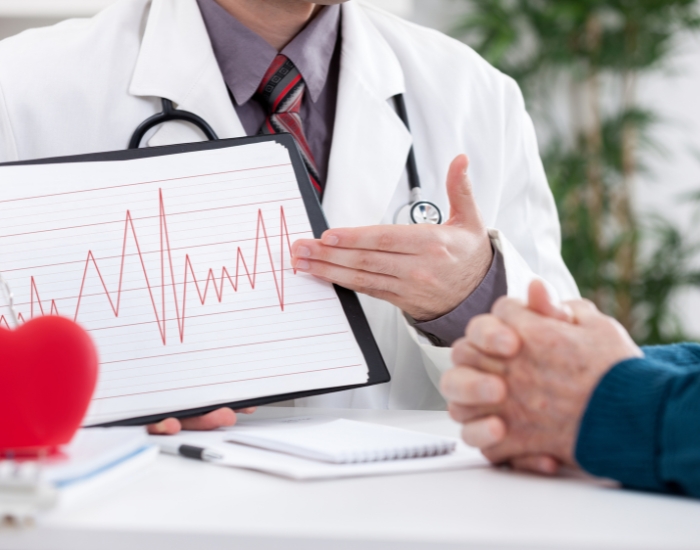
When it comes to maintaining heart health, first and foremost, understanding the diagnostic tools used by cardiologists can help patients feel more confident and informed. In addition, cardiologists rely on a range of tests to evaluate heart function, detect disease early, and guide treatment plans. From routine screenings to advanced imaging, these tests not only provide valuable information but also help prevent complications by identifying problems before they become serious.
Therefore, this guide will explain the most common cardiology tests, including EKG, echocardiogram, nuclear stress test, and vascular ultrasound, highlighting what patients can expect during each procedure and why they are essential for maintaining optimal heart health.
Table of Contents
- Why Cardiology Tests Are Important
- Electrocardiogram (EKG/ECG)
- Echocardiogram Test
- Nuclear Stress Test
- Vascular Ultrasound
- Other Common Cardiovascular Tests
- When Your Cardiologist Orders Tests
- How to Prepare for Cardiology Tests
- Understanding Your Test Results
- Why Seeing a Specialist Matters
Why Cardiology Tests Are Important
Cardiology tests are vital for several reasons:
-
Early detection of heart disease: Many cardiovascular conditions develop silently, and early testing can reveal problems before symptoms appear.
-
Assessment of heart function: Tests help cardiologists evaluate how effectively your heart pumps blood.
-
Guiding treatment decisions: Accurate diagnosis allows for personalized treatment plans, whether lifestyle changes, medications, or procedures.
-
Monitoring progress: For patients with known heart conditions, regular testing ensures that treatments are working and helps prevent complications.
By understanding these tests, patients can approach their cardiology appointments with confidence and actively participate in their care.
Electrocardiogram (EKG/ECG)
The electrocardiogram (EKG or ECG) is one of the most common and non-invasive tests cardiologists use to assess heart health.
Purpose:
-
Detects abnormal heart rhythms (arrhythmias)
-
Identifies evidence of past or current heart attacks
-
Evaluates electrical activity and conduction within the heart
How it works:
Electrodes are placed on the chest, arms, and legs to measure electrical signals generated by the heart. The test is painless and usually takes only a few minutes.
Why it’s important:
Even if you feel healthy, an EKG can detect early signs of heart disease, enabling preventive measures.
Echocardiogram Test
The echocardiogram test is an imaging procedure that uses ultrasound waves to create detailed pictures of the heart.
Purpose:
-
Assess heart chamber size and function
-
Evaluate heart valves and blood flow
-
Detect heart muscle damage or structural abnormalities
Types of echocardiograms:
-
Transthoracic echocardiogram (TTE): The standard non-invasive procedure where the transducer is placed on the chest.
-
Transesophageal echocardiogram (TEE): Provides more detailed images by inserting a probe into the esophagus.
Why it’s important:
Echocardiography helps cardiologists detect heart failure, valve disease, and other structural problems, guiding precise treatment strategies.
Nuclear Stress Test
A nuclear stress test combines exercise or medication with imaging to evaluate blood flow to the heart.
Purpose:
-
Detect areas of reduced blood flow to the heart
-
Identify coronary artery disease or risk of heart attack
-
Assess the effectiveness of previous treatments such as stents or bypass surgery
How it works:
Patients receive a small amount of radioactive tracer, which highlights blood flow patterns in the heart during stress (exercise or medication-induced). Special cameras capture images, allowing cardiologists to identify blockages or compromised areas.
Why it’s important:
The nuclear stress test provides a clear picture of how your heart responds to stress, helping detect issues that may not be visible at rest.
Vascular Ultrasound
Vascular ultrasound is a non-invasive test that evaluates blood flow in arteries and veins, often used to detect blockages or clots.
Purpose:
-
Assess blood circulation to the limbs, neck, and heart
-
Detect peripheral artery disease or deep vein thrombosis
-
Evaluate aneurysms and other vascular abnormalities
How it works:
A transducer emits sound waves that reflect off blood vessels, creating real-time images of blood flow. Doppler ultrasound measures the speed and direction of blood flow, highlighting areas of reduced circulation.
Why it’s important:
Vascular ultrasound can detect early circulation problems, allowing cardiologists to intervene before serious complications, such as strokes or limb ischemia, occur.
Other Common Cardiovascular Tests
In addition to the above, cardiologists may use several other tests depending on your symptoms and medical history:
-
Holter monitor: Continuous 24–48 hour monitoring of heart rhythm
-
Cardiac CT or MRI: Detailed imaging of the heart’s structure and blood vessels
-
Blood tests: Evaluate cholesterol, triglycerides, and cardiac enzymes
-
Tilt table test: Helps diagnose fainting or abnormal heart rate responses
These tests complement standard procedures, giving cardiologists a complete picture of heart health.
When Your Cardiologist Orders Tests
Cardiologists typically order tests based on:
-
Symptoms such as chest pain, shortness of breath, palpitations, or fatigue
-
Abnormal results on routine exams (e.g., high blood pressure or irregular heart rhythm)
-
History of heart disease in the patient or family
-
Monitoring known heart conditions to ensure treatment effectiveness
By performing appropriate tests, your cardiologist can detect problems early, often before they cause serious complications.
How to Prepare for Cardiology Tests
Preparation varies by test:
-
EKG: Usually no preparation required
-
Echocardiogram: Wear comfortable clothing; no fasting required for TTE
-
Nuclear stress test: Avoid caffeine and certain medications as instructed; wear comfortable exercise clothes and shoes
-
Vascular ultrasound: Wear loose clothing; avoid applying lotions on the area being examined
Following these instructions ensures accurate results and a smooth testing experience. Proper preparation is also essential for patients undergoing evaluations related to chest pain treatment, helping cardiologists make precise diagnoses and recommend the most effective care.
Understanding Your Test Results
After testing, your heart specialist Houston will review the results and discuss:
-
Whether your heart structure and function are normal
-
Signs of reduced blood flow or blockages
-
Recommendations for lifestyle changes, medications, or procedures
Working with a heart specialist Houston allows patients to actively participate in their care, understand their condition, and make informed decisions about their heart health.
Why Seeing a Specialist Matters
Consulting a cardiologist in Houston is crucial for accurate evaluation and management of heart conditions. A specialist provides:
-
Expert interpretation of complex test results
-
Personalized treatment plans based on your risk profile
-
Guidance on lifestyle, medications, and interventions
-
Ongoing monitoring to prevent complications and improve outcomes
By seeing a cardiologist in Houston, patients benefit from local expertise and comprehensive care. Regular check-ups and timely testing help detect problems early, often before symptoms appear, ensuring the best possible outcomes for long-term heart health.
Medical Disclaimer: This article is for educational purposes only and does not replace professional medical advice. Always consult a qualified healthcare provider for any heart-related symptoms or concerns. Seek immediate care if you experience severe chest pain, shortness of breath, or other urgent cardiac symptoms.